
ASTRAGALUS MOLLISSIMUS
Astragalus Mollissimus, commonly known as Purple or Woolly Loco-weed, is a plant with notable effects on animals, resembling the impact of alcohol, tobacco, and morphine in humans.
ASTRAGALUS MOLLISSIMUS Read Post »

Astragalus Mollissimus, commonly known as Purple or Woolly Loco-weed, is a plant with notable effects on animals, resembling the impact of alcohol, tobacco, and morphine in humans.
ASTRAGALUS MOLLISSIMUS Read Post »
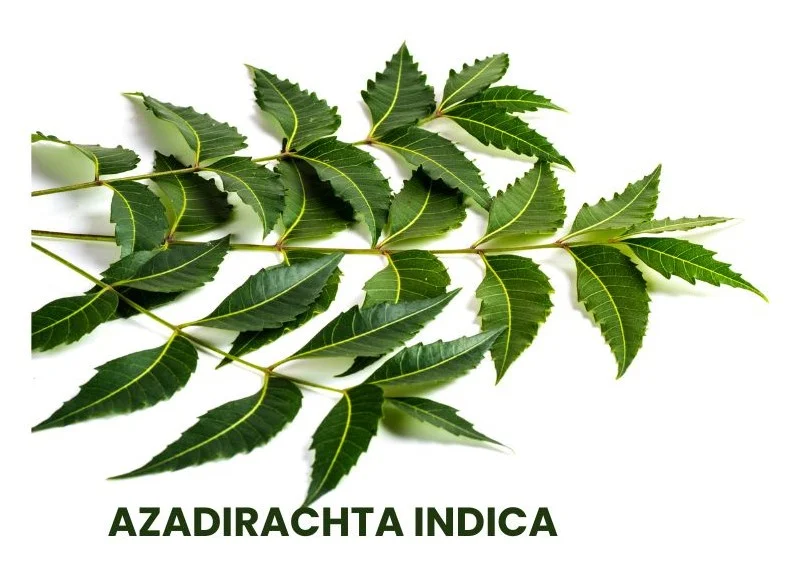
Azadirachta Indica, commonly known as Margosa Bark or Neem, is a homeopathic remedy with a range of effects on the body. It is derived from the bark of the Neem tree, which is native to the Indian subcontinent and is known for its various medicinal properties.
AZADIRACHTA INDICA Read Post »

Astacus Fluviatilis, also known as Cancer Astacus, is a homeopathic remedy derived from the common crayfish or crawfish.
ASTACUS FLUVIATILIS-CANCER ASTACUS Read Post »
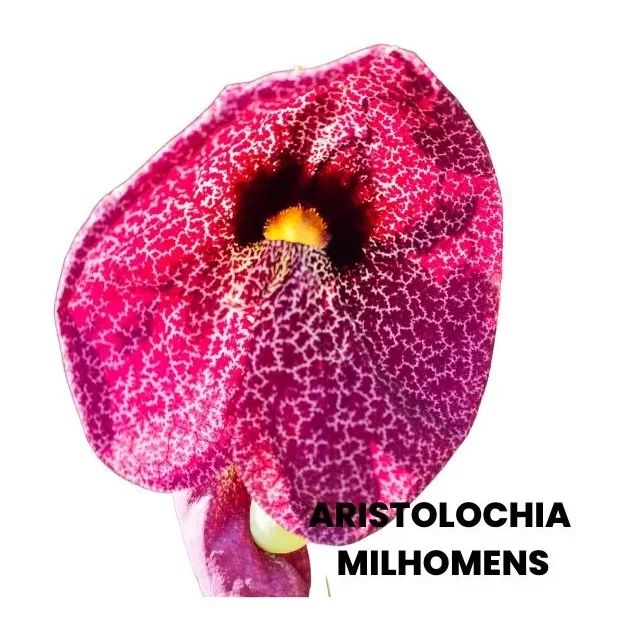
Aristolochia Milhomens, commonly known as Brazilian Snake Root, is a homeopathic remedy prepared from the plant Aristolochia Milhomens.This remedy is characterized by stitching pains in various body parts and exhibits a range of symptoms affecting the gastrointestinal system, extremities, and skin.
ARISTOLOCHIA MILHOMENS Read Post »
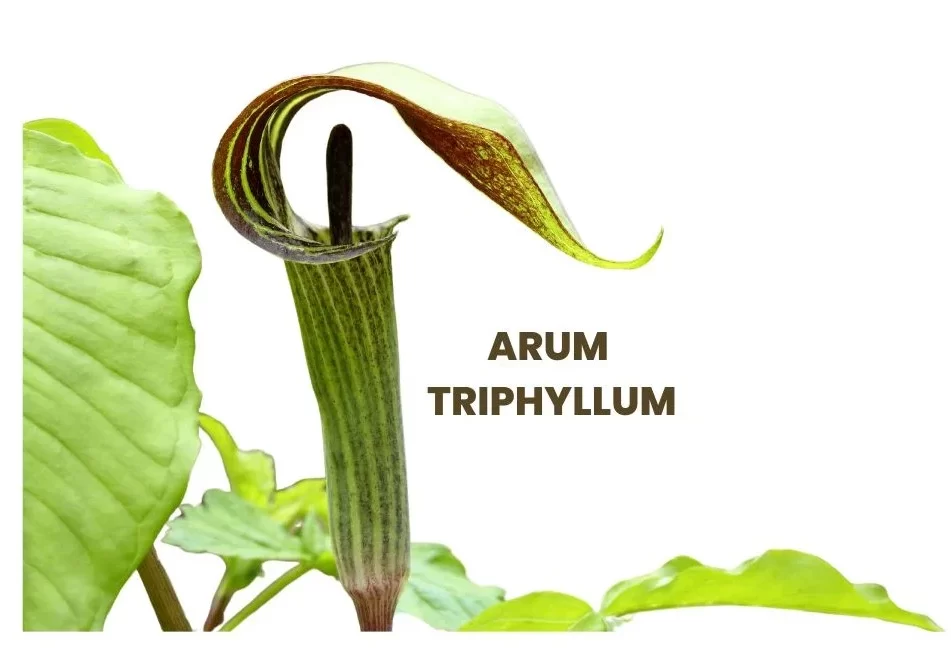
Arum Triphyllum, a member of the Arum family, stands out as a crucial remedy, particularly in addressing acute colds. The characteristic feature of Arum remedies is their acrid nature.

Arum Dracontium, commonly known as Green Dragon, is a homeopathic remedy primarily indicated for pharyngitis with a sore, raw, and tender throat. This remedy is derived from the fresh root of the Arum Dracontium plant native to North America.

Amylenum Nitrosum was introduced into medicine by the conventional medical field as a remedy for Angina pectoris, believed to act by reducing arterial tension.
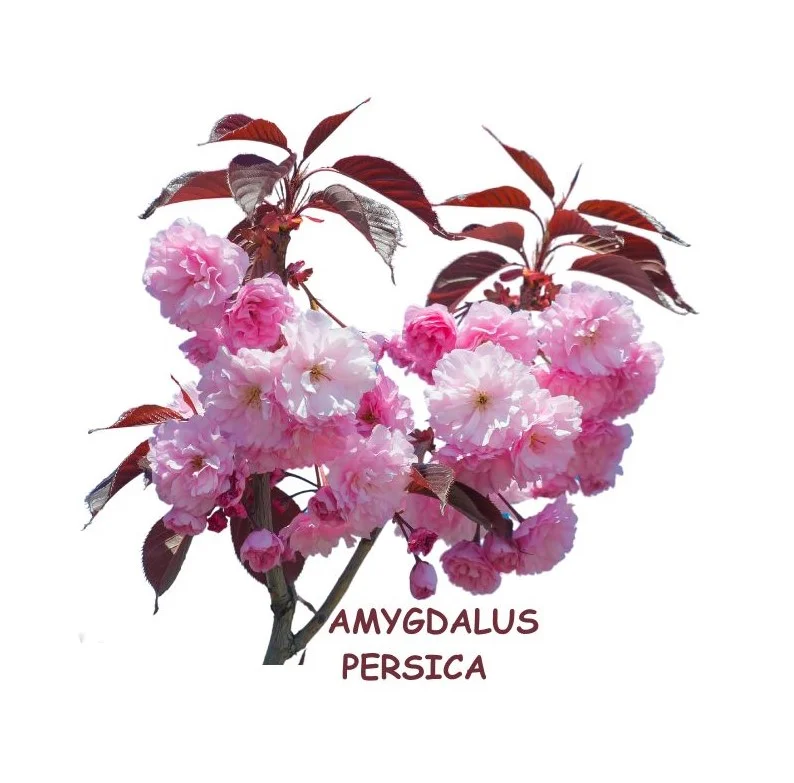
Amygdalus persica, commonly known as the peach, is a species of fruit-bearing tree native to China. It belongs to the genus Amygdalus within the Rosaceae family.
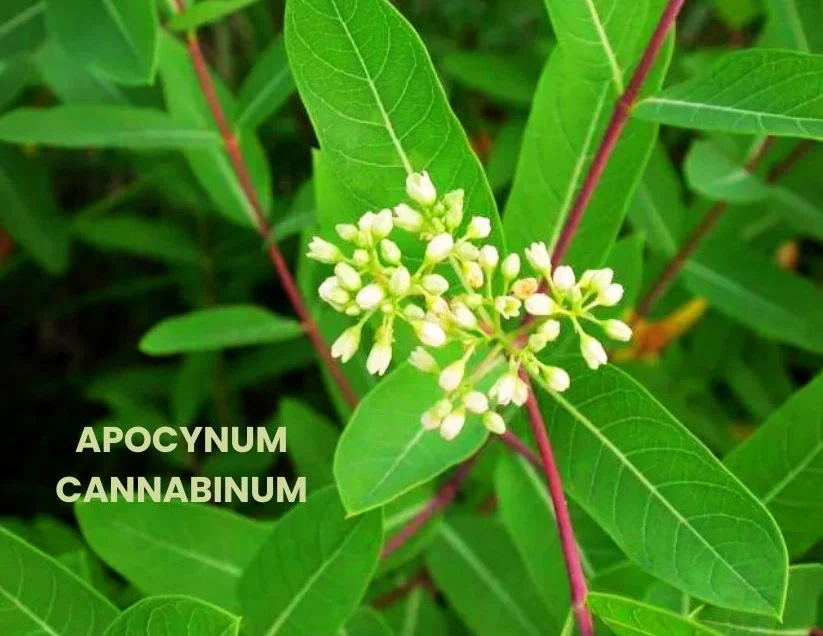
Apocynum is renowned for its efficacy in treating various conditions such as dropsy, hydrocephalus, and ascites, placing it on par with the importance of Apis mellifica in homeopathic therapeutics.
APOCYNUM CANNABINUM Read Post »
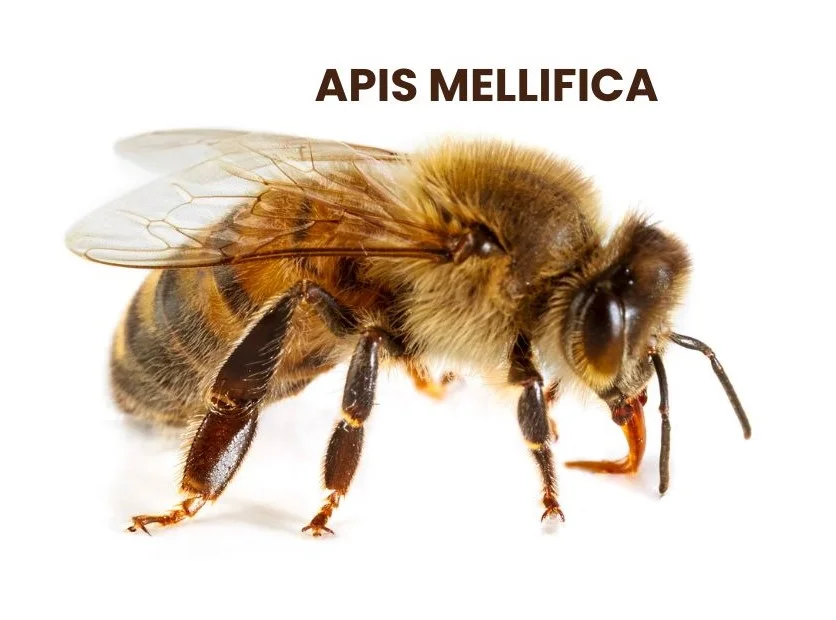
Apis Mellifica is a valuable anti-Psoric homeopathic medicine derived from the poison of the Honey Bee. The effects of a bee sting, such as burning, stinging pain, soreness, a red rose hue, and puffiness of the affected area sensitive to touch, are mirrored in the symptoms for which Apis is prescribed.
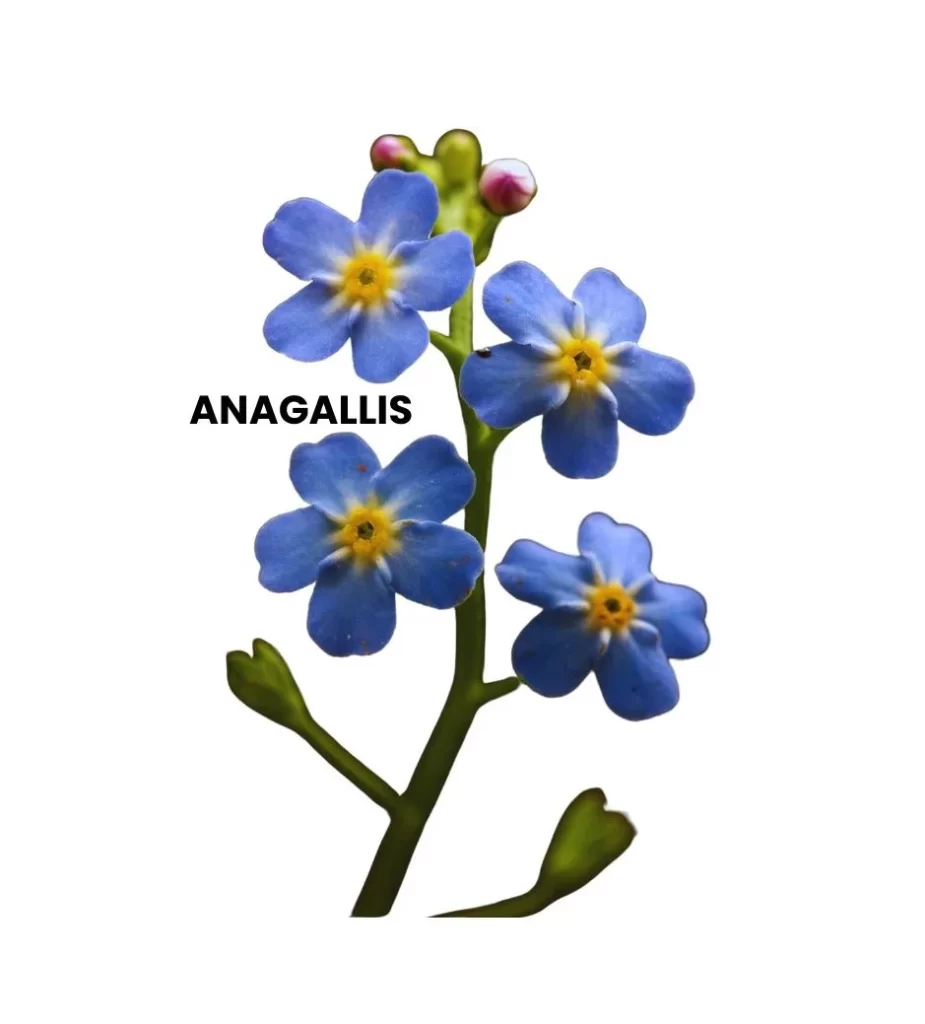
Anagallis, commonly known as Scarlet Pimpernel, is a homeopathic remedy with marked actions on the skin, distinctive characteristics in the head, extremities, and urinary system.
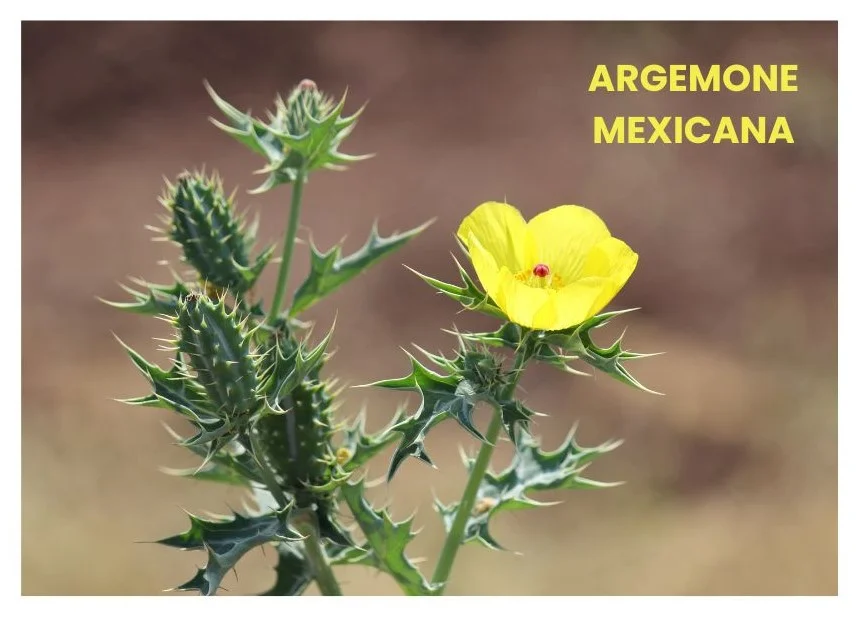
Argemone mexicana, commonly known as Prickly Poppy, is a plant with medicinal properties. Its key characteristics include colicky cramps, painful neuro-muscular conditions, and rheumatic symptoms associated with Bright’s disease.

Arbutus Andrachne, commonly known as the Strawberry Tree, is a remedy primarily indicated for eczema accompanied by gouty and rheumatic symptoms. It is particularly beneficial for arthritis, especially affecting larger joints, and lumbago.

Aralia Racemosa, known as American Spikenard, is a remedy primarily indicated for asthmatic conditions, particularly where cough worsens when lying down.

Areca, commonly is employed in the treatment of helminthiasis. Its key alkaloid, Areolin hydrobrom, exhibits unique properties including pupil contraction, particularly beneficial in glaucoma.