
ARUM TRIPHYLLUM
Arum Triphyllum, a member of the Arum family, stands out as a crucial remedy, particularly in addressing acute colds. The characteristic feature of Arum remedies is their acrid nature.

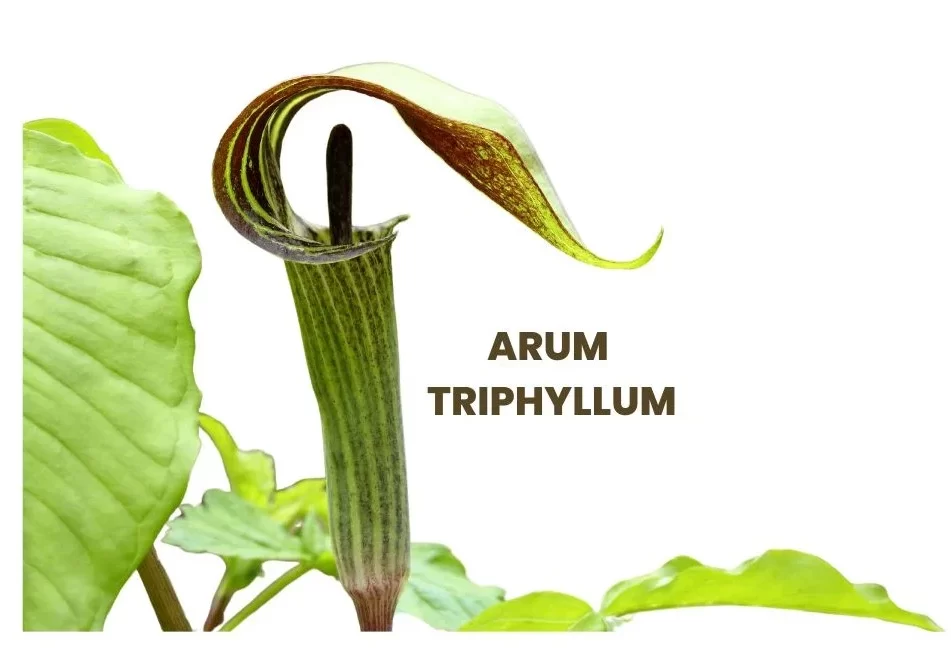
Arum Triphyllum, a member of the Arum family, stands out as a crucial remedy, particularly in addressing acute colds. The characteristic feature of Arum remedies is their acrid nature.
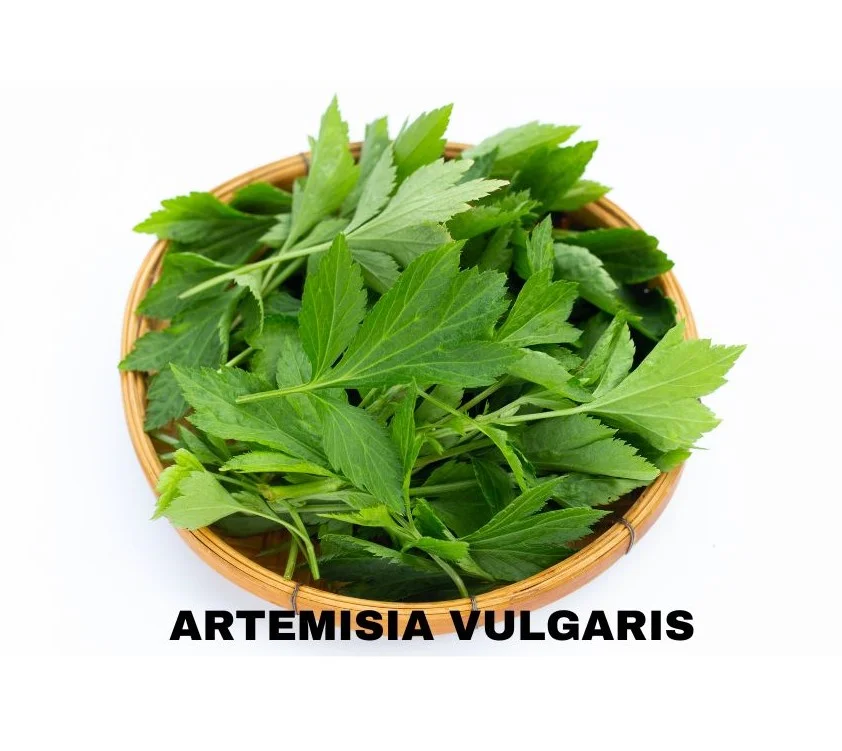
Artemisia Vulgaris, commonly known as Mugwort, has garnered a reputation as a remedy for epileptic conditions and convulsive diseases, particularly in children and girls at puberty.
ARTEMISIA VULGARIS Read Post »

Arum Dracontium, commonly known as Green Dragon, is a homeopathic remedy primarily indicated for pharyngitis with a sore, raw, and tender throat. This remedy is derived from the fresh root of the Arum Dracontium plant native to North America.

Argentum nitricum stands as one of the “Monumental treasures” in homeopathy. Its pathogenesis reveals a remarkable remedy with profound effects on the human body, especially on the brain, nerves, and gastrointestinal tract, inducing various physiological and pathological changes.

Amylenum Nitrosum was introduced into medicine by the conventional medical field as a remedy for Angina pectoris, believed to act by reducing arterial tension.
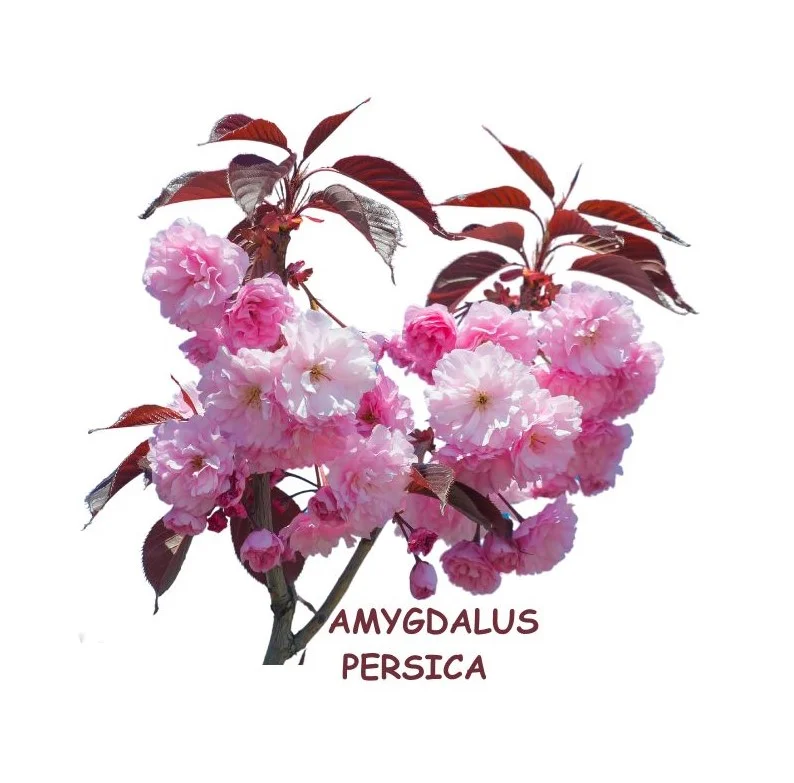
Amygdalus persica, commonly known as the peach, is a species of fruit-bearing tree native to China. It belongs to the genus Amygdalus within the Rosaceae family.

Aranea Diadema, derived from the Papal-Cross Spider, is a remedy known for its influence on the nervous system. Characterized by periodicity, coldness, and a heightened susceptibility to dampness, it is particularly indicated for individuals with a constitution prone to malarial poisoning.

Apocynum is renowned for its efficacy in treating various conditions such as dropsy, hydrocephalus, and ascites, placing it on par with the importance of Apis mellifica in homeopathic therapeutics.
APOCYNUM CANNABINUM Read Post »

Antimonium Tartaricum, commonly known as Tartar Emetic, derives its name from the emetic (vomiting-inducing) properties of tartarized antimony.
ANTIMONIUM TARTARICUM Read Post »
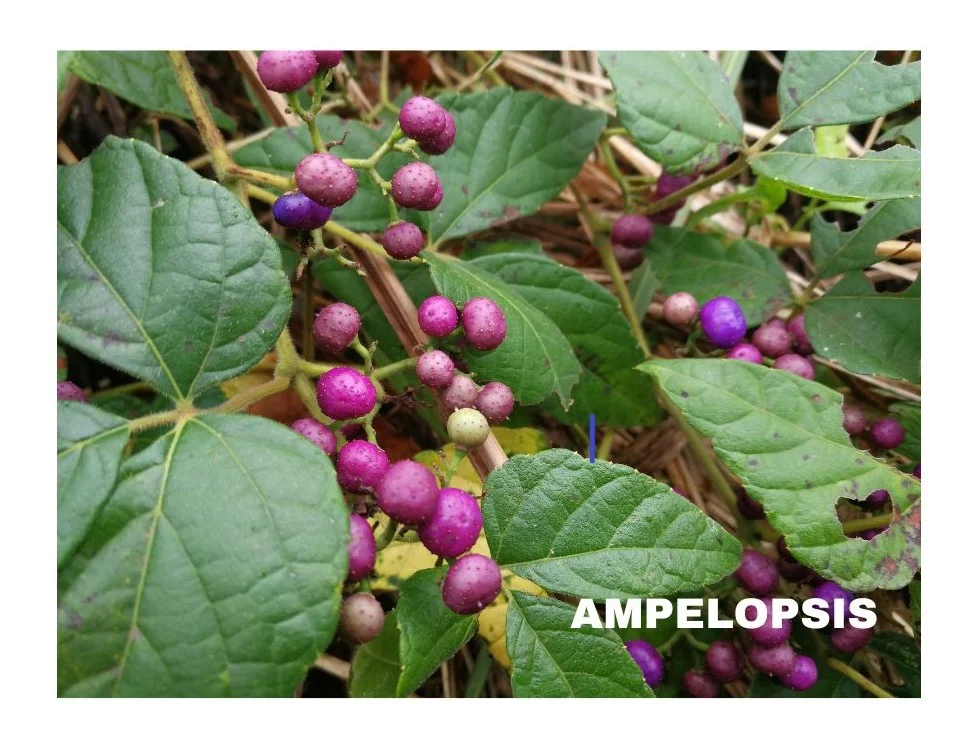
Ampelopsis, commonly known as Virginia Creeper, is a homeopathic remedy primarily associated with conditions such as renal dropsies, hydrocele, and chronic hoarseness in individuals with a scrofulous diathesis.
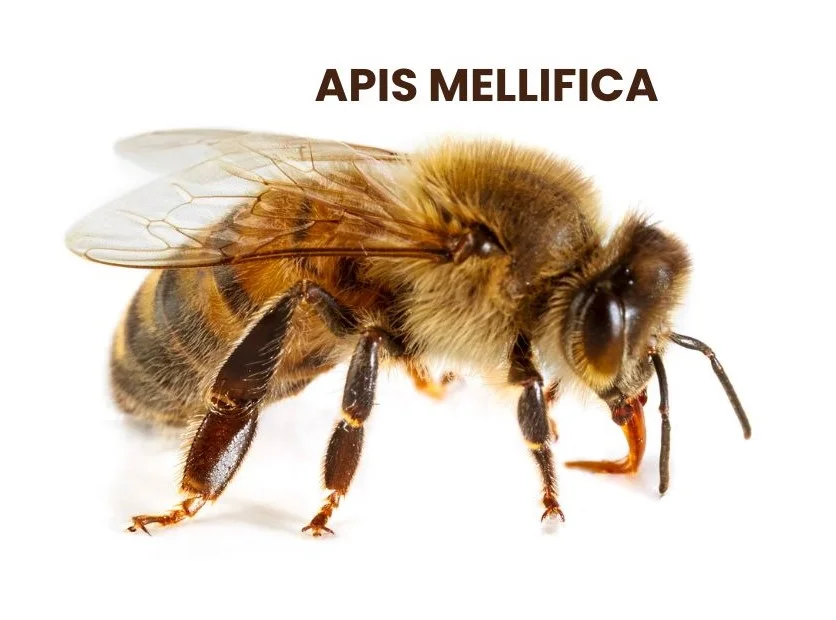
Apis Mellifica is a valuable anti-Psoric homeopathic medicine derived from the poison of the Honey Bee. The effects of a bee sting, such as burning, stinging pain, soreness, a red rose hue, and puffiness of the affected area sensitive to touch, are mirrored in the symptoms for which Apis is prescribed.
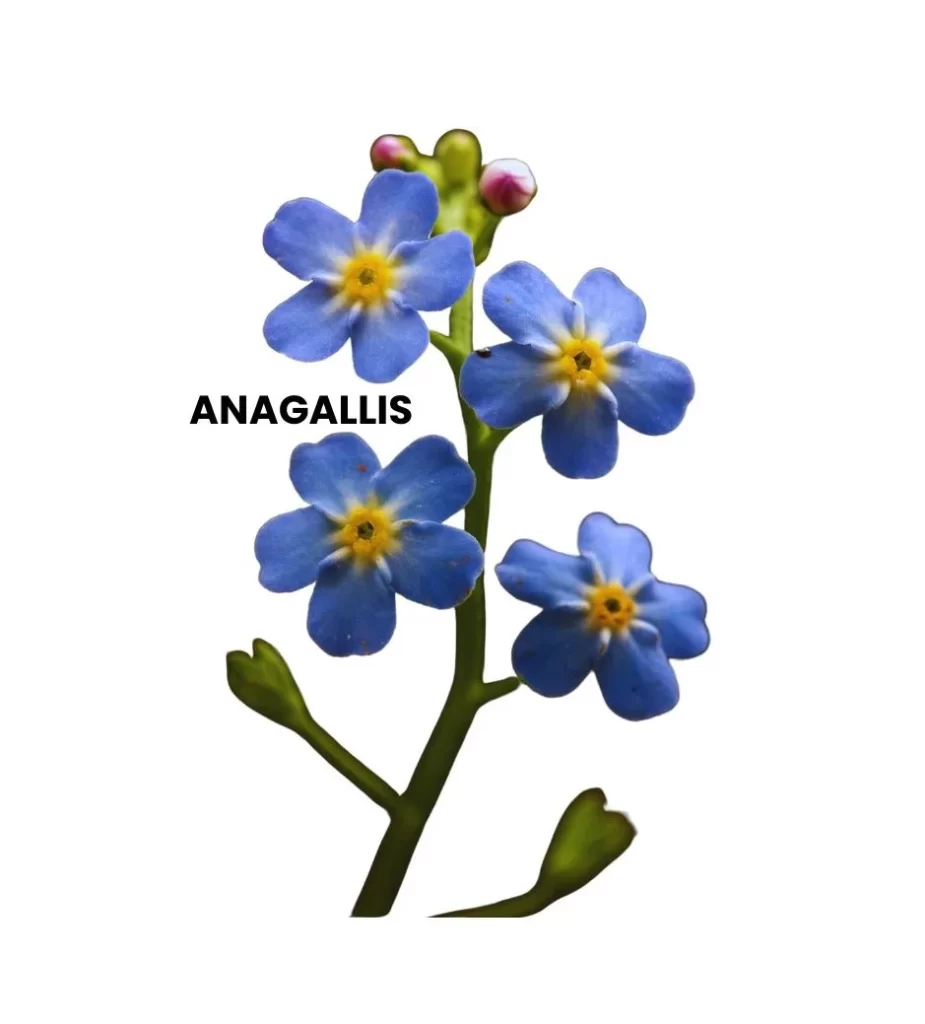
Anagallis, commonly known as Scarlet Pimpernel, is a homeopathic remedy with marked actions on the skin, distinctive characteristics in the head, extremities, and urinary system.

Argemone mexicana, commonly known as Prickly Poppy, is a plant with medicinal properties. Its key characteristics include colicky cramps, painful neuro-muscular conditions, and rheumatic symptoms associated with Bright’s disease.

Arbutus Andrachne, commonly known as the Strawberry Tree, is a remedy primarily indicated for eczema accompanied by gouty and rheumatic symptoms. It is particularly beneficial for arthritis, especially affecting larger joints, and lumbago.

Aralia Racemosa, known as American Spikenard, is a remedy primarily indicated for asthmatic conditions, particularly where cough worsens when lying down.