
INDIGO TINCTORIA
Indigo, derived from the plant Indigofera tinctoria,it affects the nervous system profoundly and is notably beneficial in treating conditions like epilepsy accompanied by profound sadness.

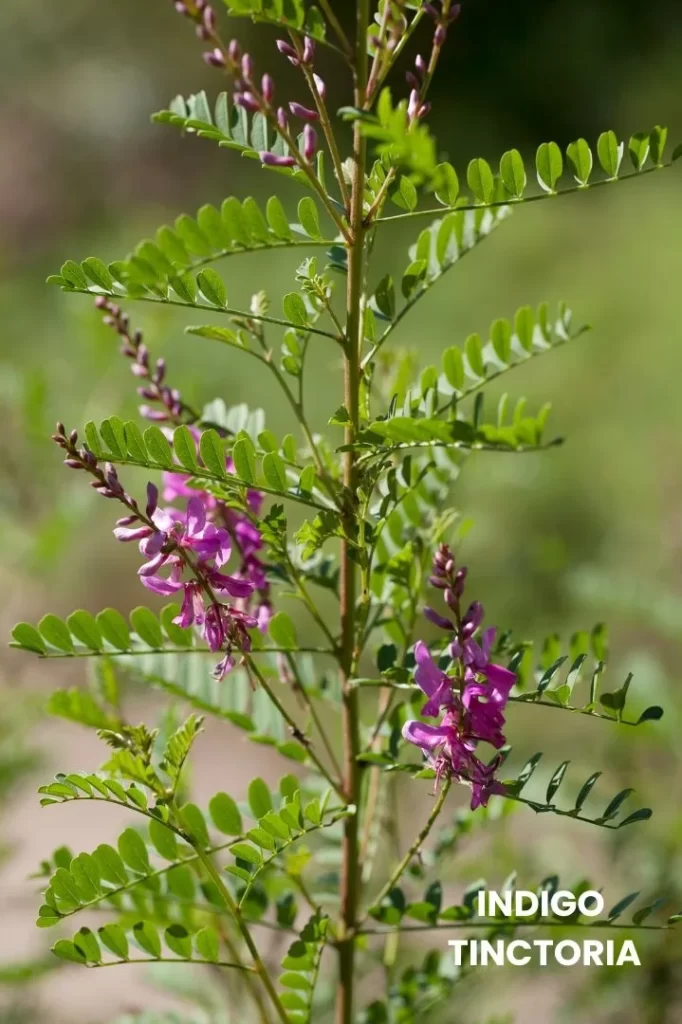
Indigo, derived from the plant Indigofera tinctoria,it affects the nervous system profoundly and is notably beneficial in treating conditions like epilepsy accompanied by profound sadness.

Indium metallicum, derived from the metal indium, is a homeopathic remedy primarily used to treat a variety of symptoms affecting the head, male reproductive system, and extremities.

In homeopathic medicine, Indolum is primarily used to address symptoms associated with auto-intoxication, focusing on enhancing the elimination of Indican, a byproduct of intestinal putrefaction.
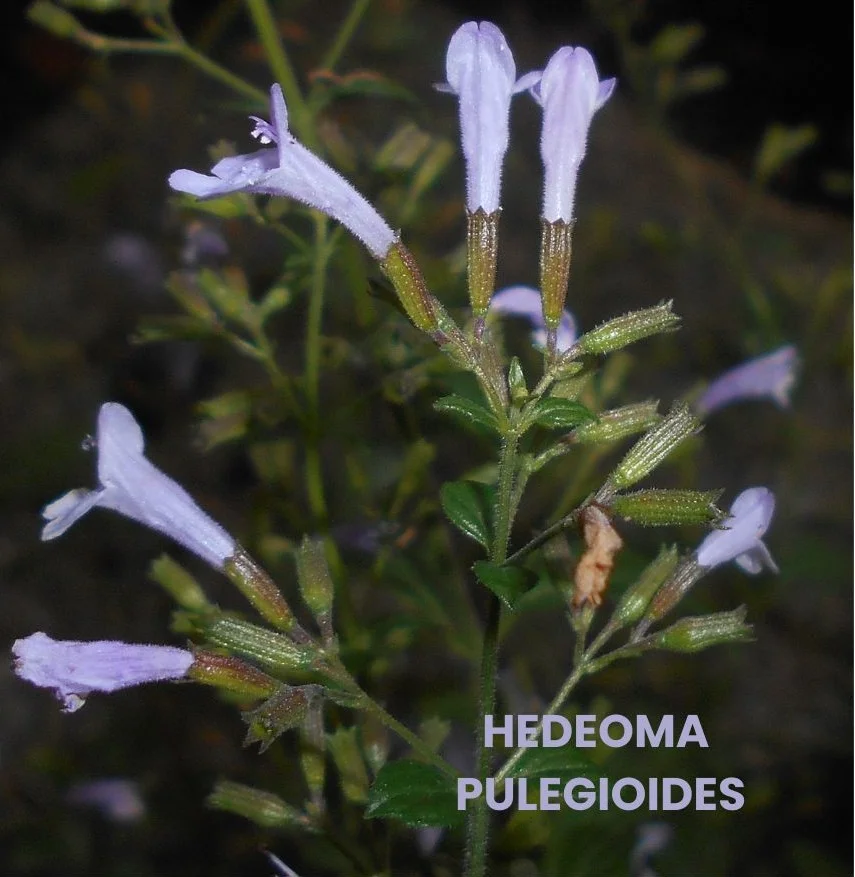
Hedeoma Pulegioides, commonly known as Pennyroyal, is a plant used in homeopathy primarily for addressing female reproductive symptoms often associated with nervous disturbances.
HEDEOMA PULEGIOIDES Read Post »
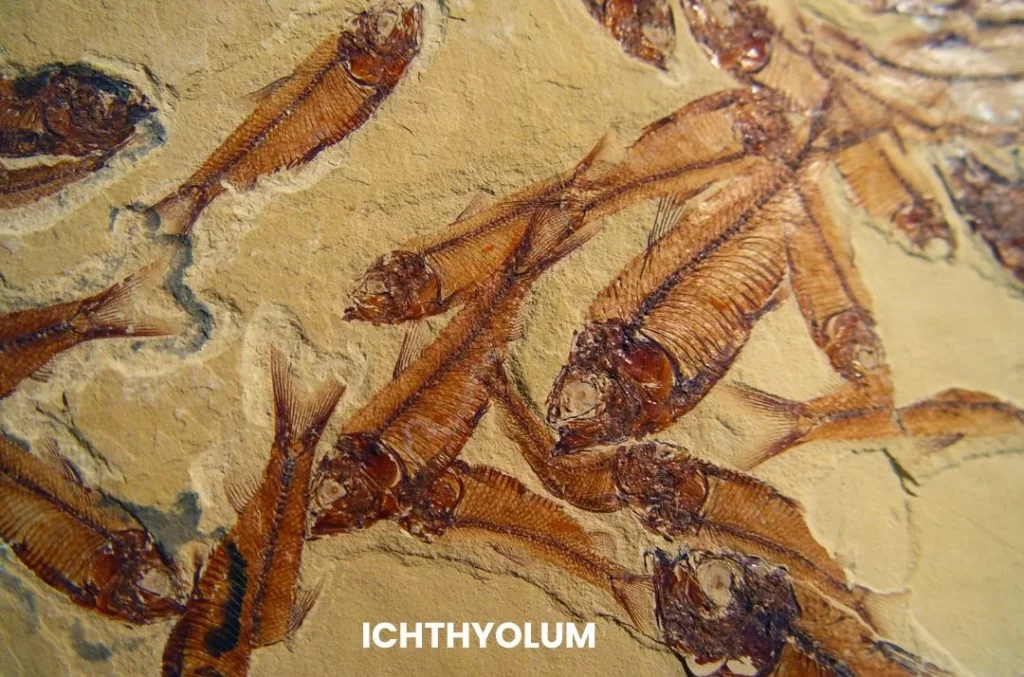
Ichthyolum, commonly known as Ichthyol, is a homeopathic remedy derived from sulfonated hydrocarbons, which are fossil products believed to originate from fish deposits found in Tyrol.
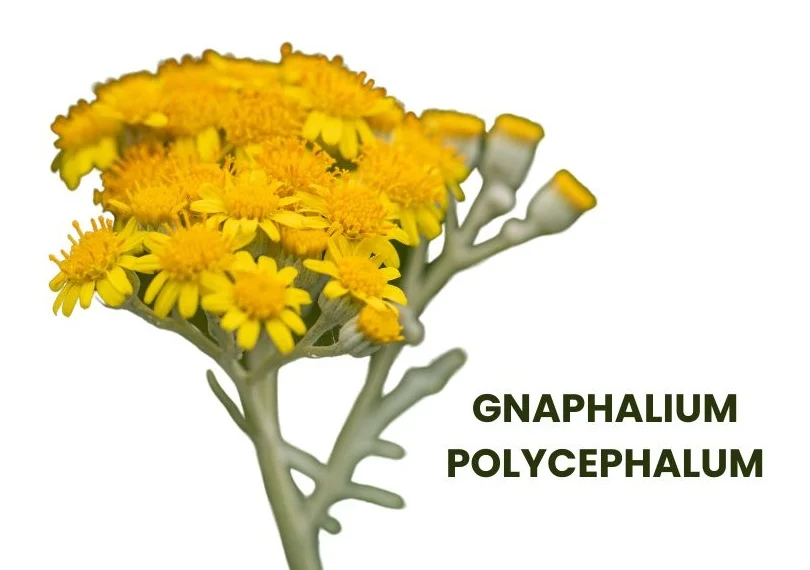
Gnaphalium polycephalum, commonly known as Cudweed or Old Balsa, is a homeopathic remedy primarily used to treat sciatica and rheumatism, especially when these conditions are associated with numbness.
GNAPHALIUM POLYCEPHALUM Read Post »
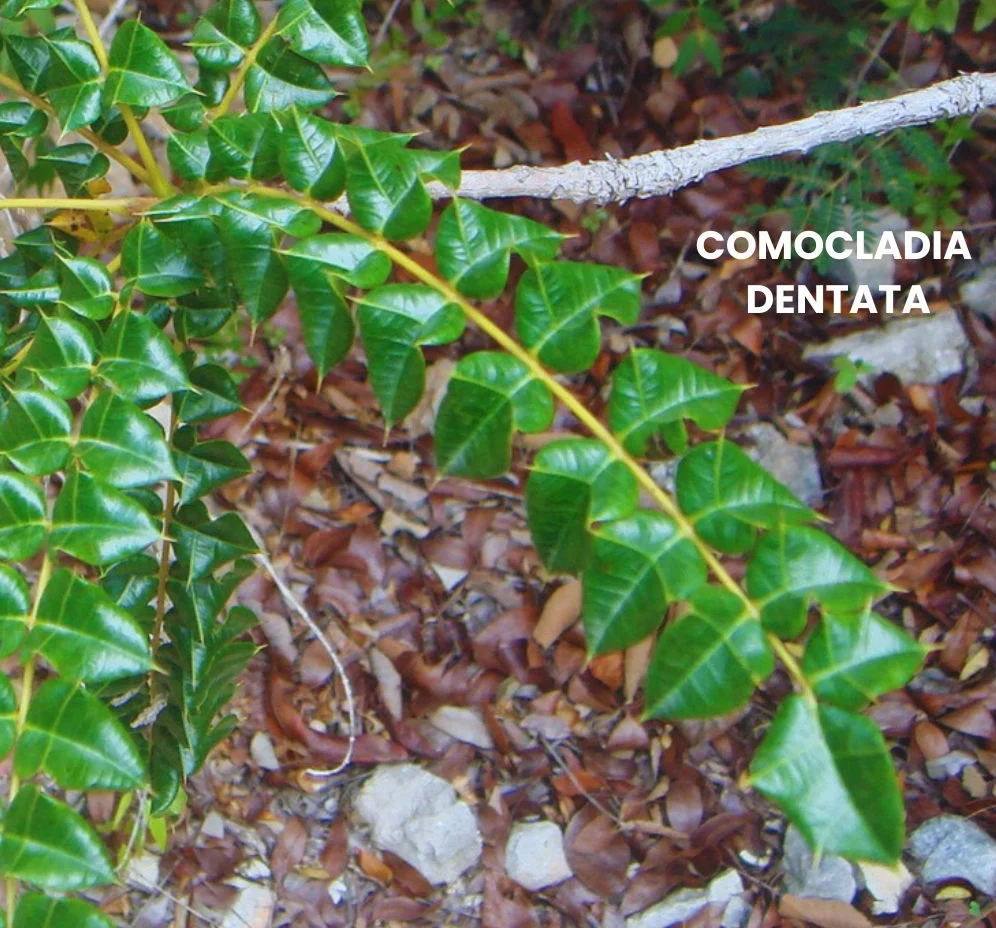
Comocladia dentata, commonly known as Guao, is a plant native to tropical regions of the Americas, particularly the Caribbean. It is used to treat various conditions affecting the eyes, skin, and joints.
COMOCLADIA DENTATA Read Post »
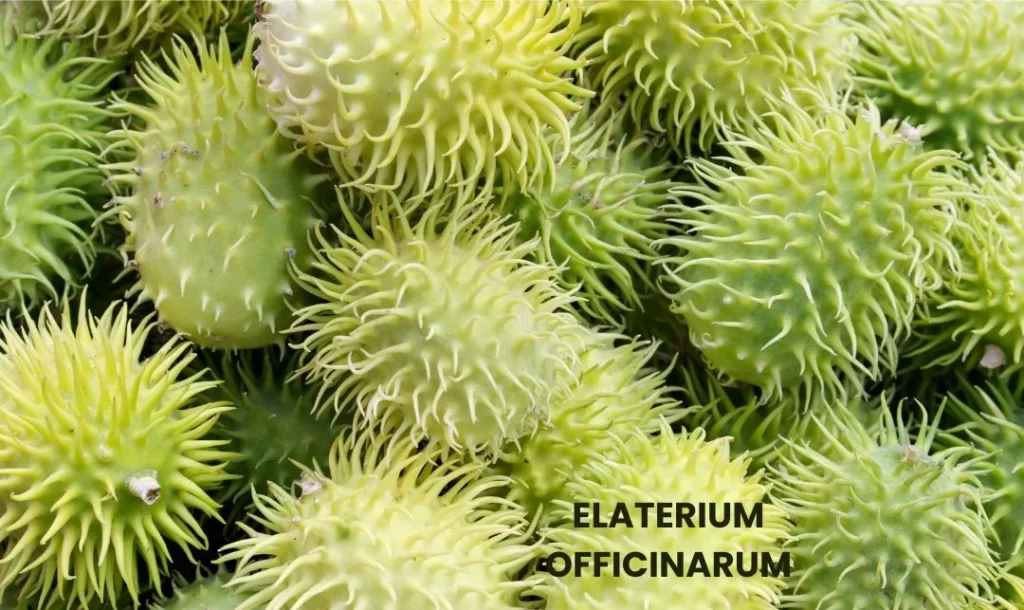
Elaterium Officinarum, commonly known as Squirting Cucumber, is a powerful homeopathic remedy particularly useful for addressing severe vomiting and diarrhea.
ELATERIUM OFFICINARUM Read Post »
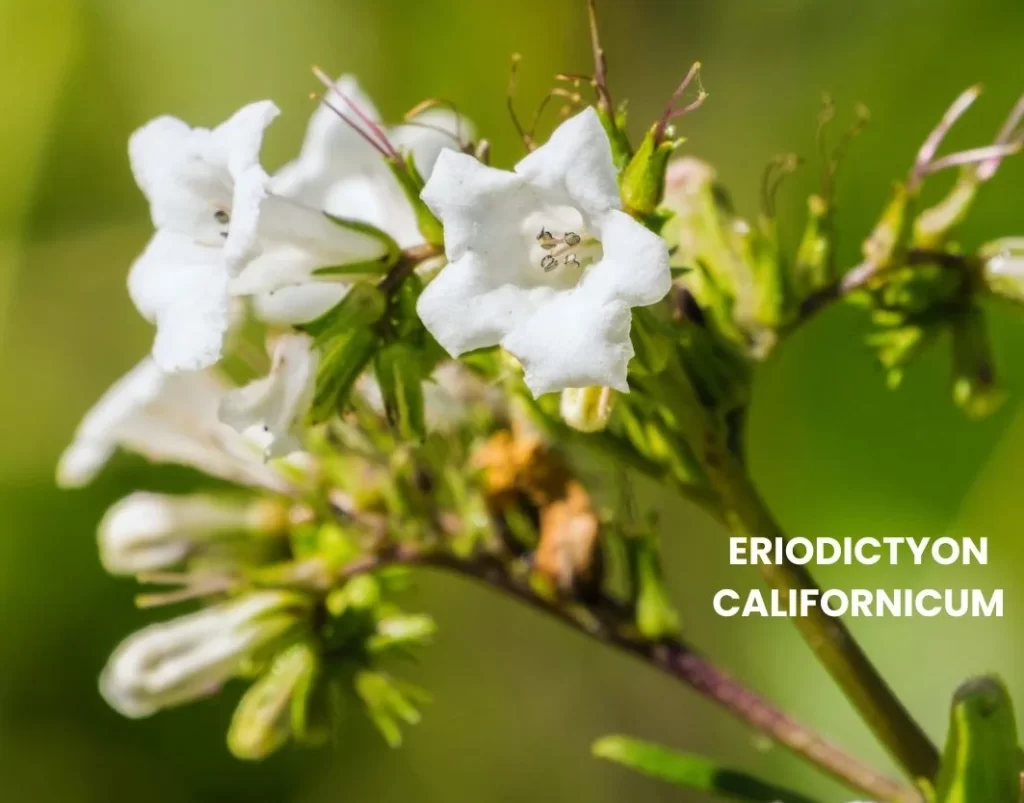
In homeopathy, Eriodictyon californicum is a versatile remedy, particularly effective for respiratory ailments such as asthma, bronchitis, and tuberculosis.
ERIODICTYON CALIFORNICUM Read Post »
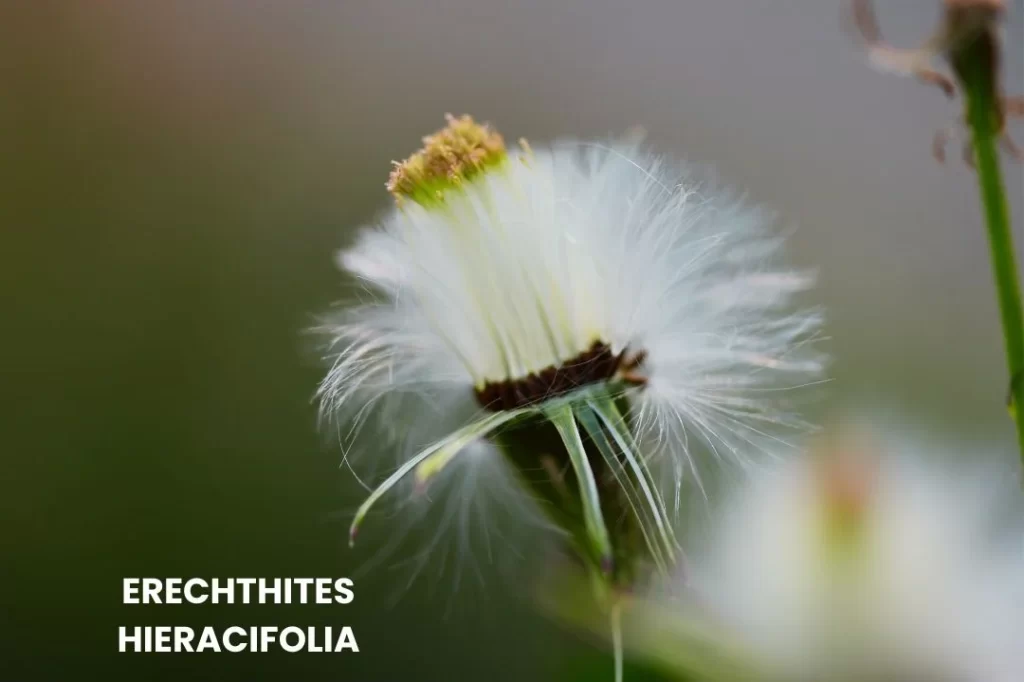
In homeopathy, Erechthites hieracifolia is renowned for its potent hemostatic properties, effectively treating various types of bleeding, circulatory disturbances, and skin conditions resembling poison ivy reactions.
ERECHTHITES HIERACIFOLIA Read Post »

Eosinum, commonly known as Eosin, is a homeopathic remedy known for its effectiveness in treating conditions such as cancer and polyarthritis.It was proved in potencies by Dr. B. C. Woodbury.
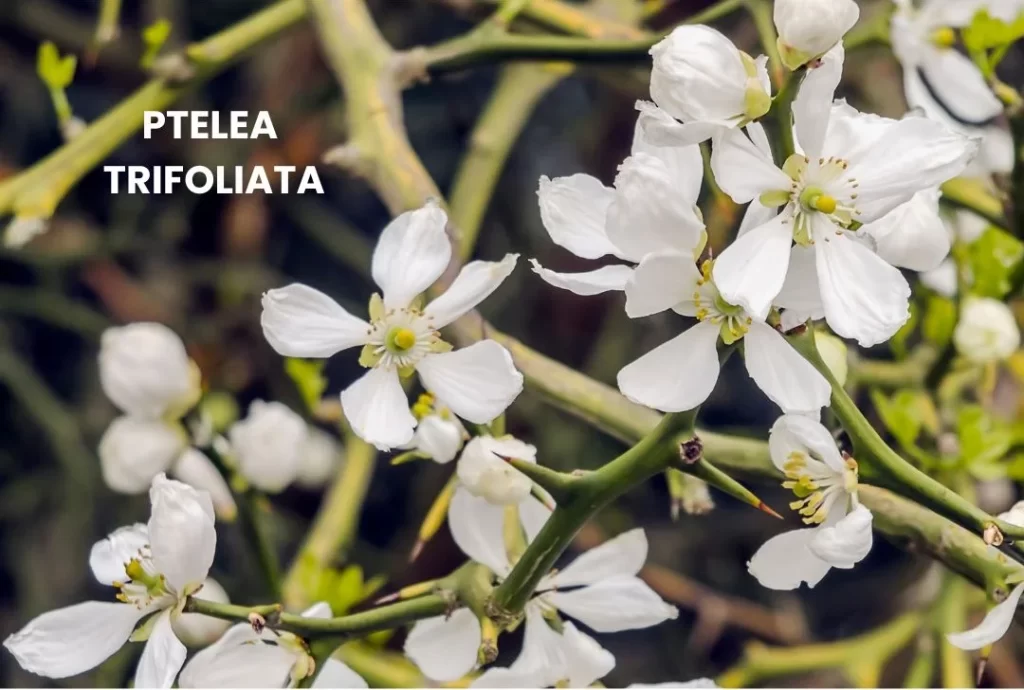
Ptelea trifoliata is particularly beneficial for addressing sensations of aching and heaviness in the liver region and various stomach ailments, including atonic states and asthma.
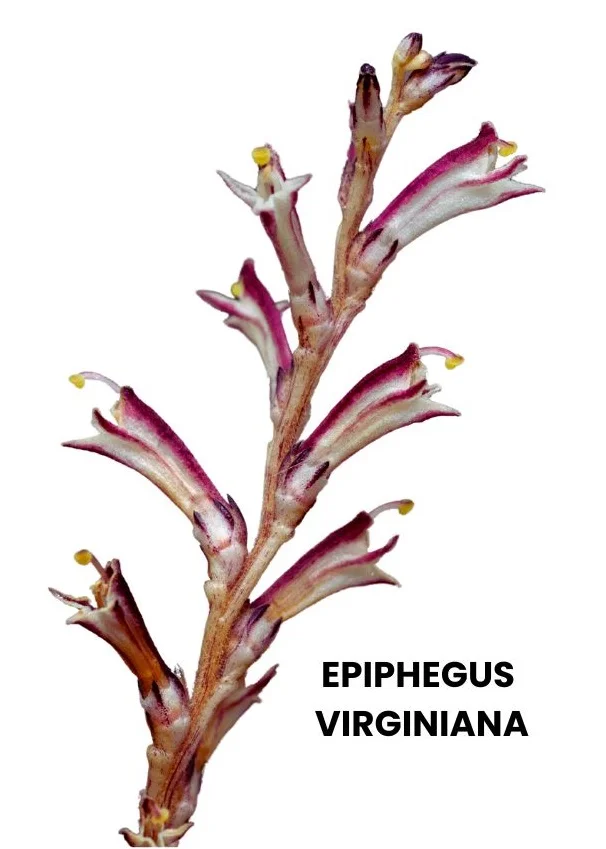
Epiphegus Virginiana, commonly known as Beechdrop, is a homeopathic remedy primarily used to treat headaches, particularly those that are neurasthenic or nervous in nature.
EPIPHEGUS VIRGINIANA Read Post »

Primula veris, commonly known as Cowslip, is a medicinal herb known for its therapeutic effects on various ailments, particularly those related to the head, respiratory system, and extremities.
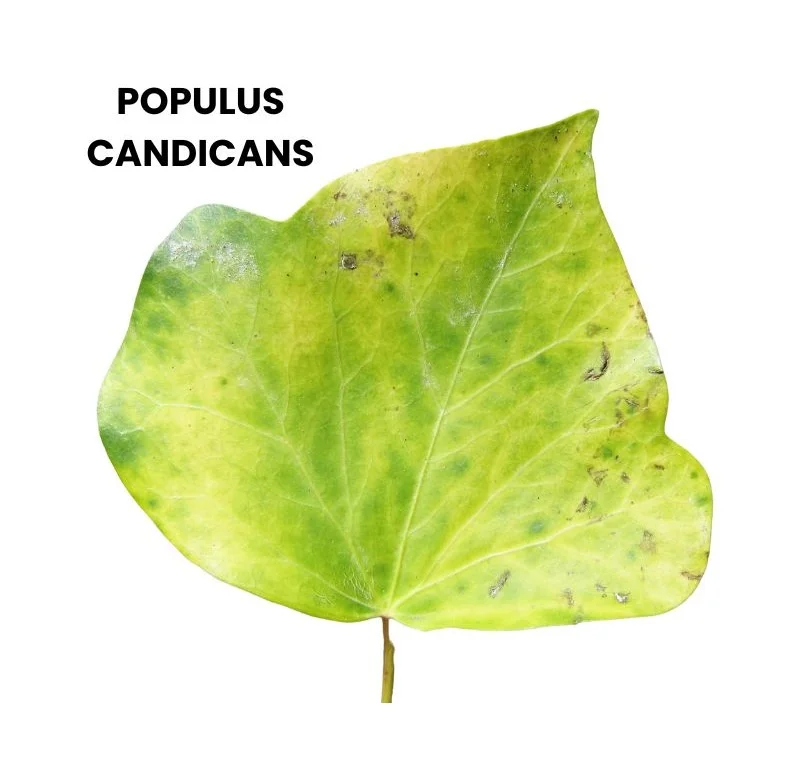
Populus candicans, commonly known as Balm of Gilead, is a homeopathic remedy recognized for its efficacy in treating acute colds and respiratory conditions, particularly those involving hoarseness and loss of voice.