
ALSTONIA SCHOLARIS
Alstonia scholaris is a homeopathic remedy primarily indicated for malarial diseases accompanied by symptoms such as diarrhea, dysentery, anemia, and feeble digestion.
ALSTONIA SCHOLARIS Read Post »

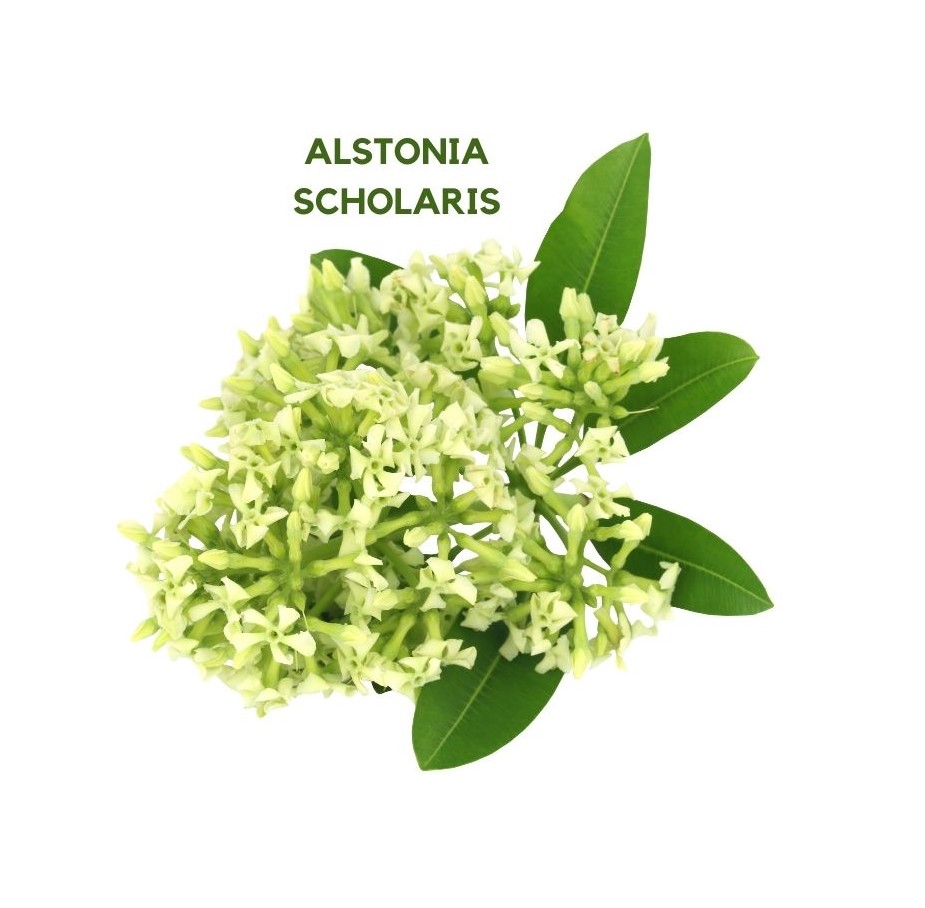
Alstonia scholaris is a homeopathic remedy primarily indicated for malarial diseases accompanied by symptoms such as diarrhea, dysentery, anemia, and feeble digestion.
ALSTONIA SCHOLARIS Read Post »
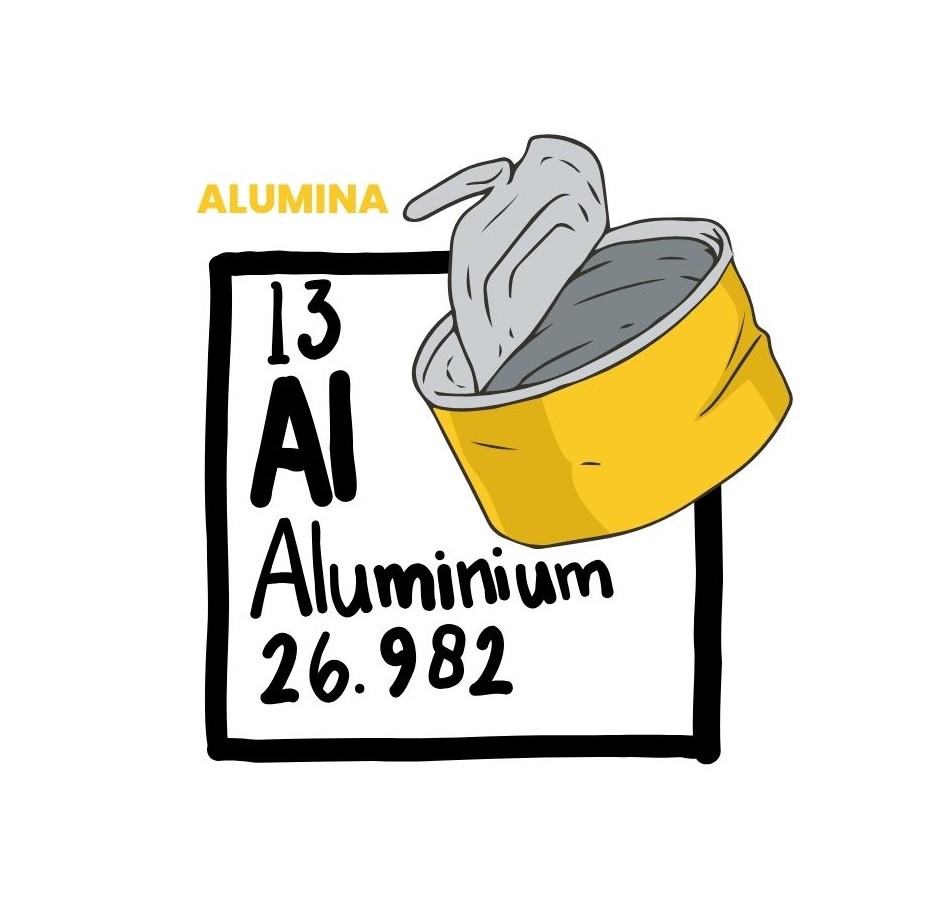
Potentised Aluminium serves as the remedy for alleviating symptoms associated with this poisoning. Hering noted that the potentised form, such as in the 200 potencies, appears to counteract the effects of the crude poison.
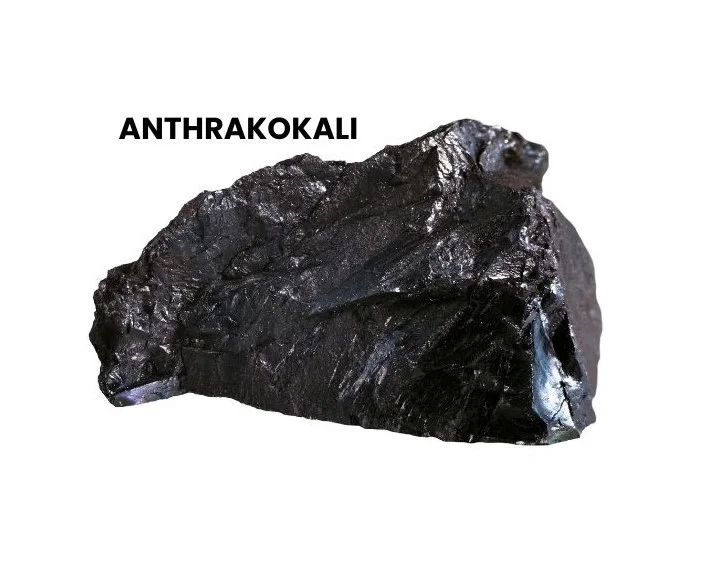
Anthrakokali, derived from Anthracite Coal dissolved in boiling Caustic Potash, emerges as a therapeutic remedy in homeopathy. Known for its efficacy in various conditions, this remedy offers relief in skin afflictions, vesicular eruptions, intense thirst, rheumatism, and bilious attacks.
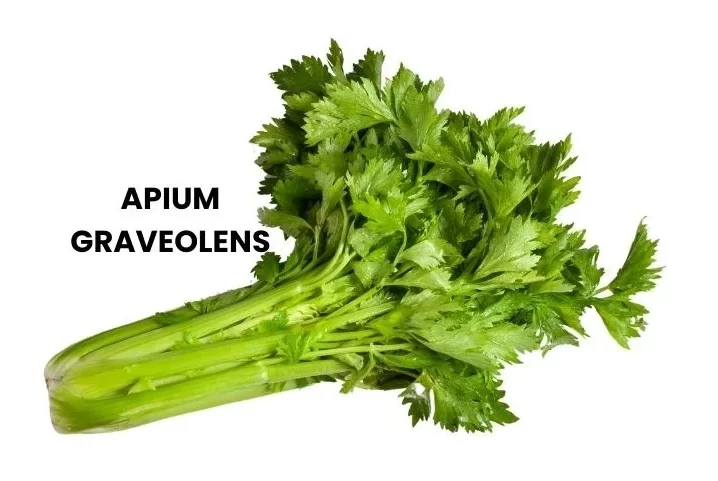
Common Celery, or Apium Graveolens, is a homeopathic remedy derived from celery. It contains a soporific active principle and has diverse applications in addressing symptoms ranging from sleep issues to headaches and gynaecological concerns.
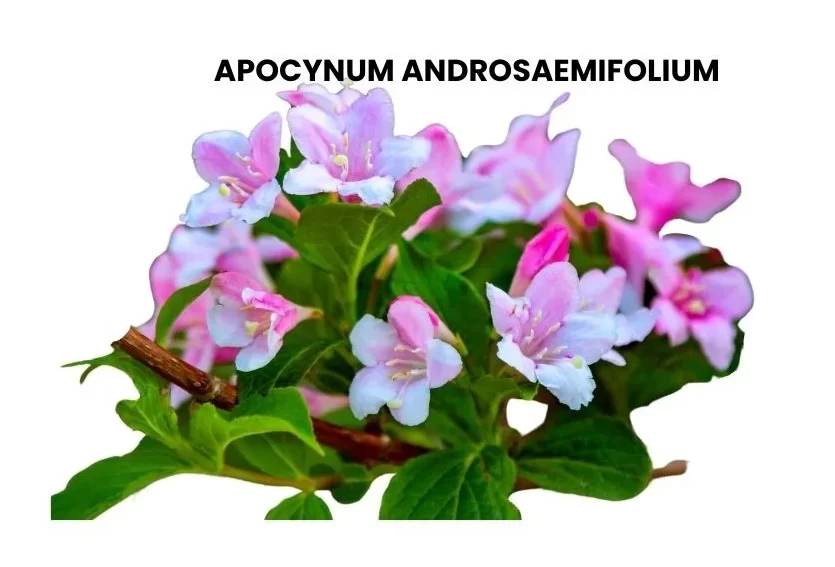
Apocynum Androsaemifolium stands out for its profound impact on rheumatic symptoms, holding the promise of curative results. This remedy is characterized by wandering pains, marked stiffness, and drawing sensations.
APOCYNUM ANDROSAEMIFOLIUM Read Post »
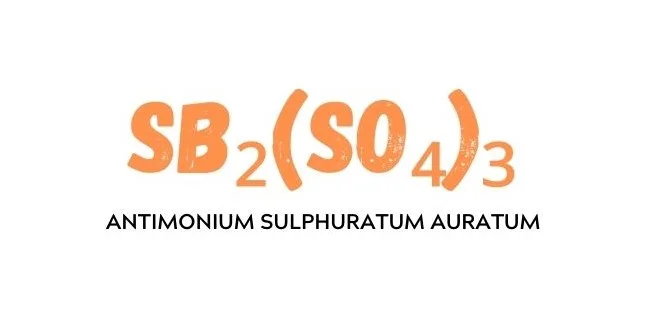
Antimonium Sulphuratum Auratum, sourced from the Golden Sulphuret of Antimony. This remedy, available in the second or third trituration, has shown efficacy in addressing various health concerns, particularly those related to the nose and throat, respiratory system, and skin.
ANTIMONIUM SULPHURATUM AURATUM Read Post »
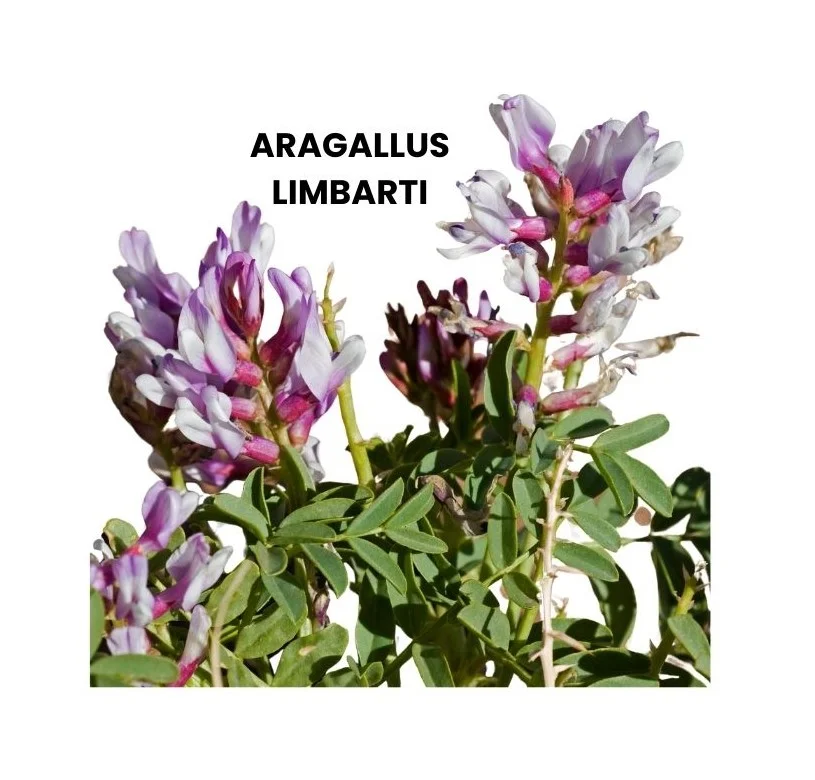
Acting principally on the nervous system, Aragallus Lamberti produces a bewildered and confused state. It manifests symptoms of incoordination and paralysis, particularly affecting the locomotor functions.
ARAGALLUS LAMBERTI Read Post »

Apomorphia, derived from the alkaloid generated by the decomposition of Morphine with Hydrochloric Acid, stands out for its remarkable ability to induce swift and effective vomiting. This unique characteristic becomes a pivotal guiding symptom in its homeopathic application.
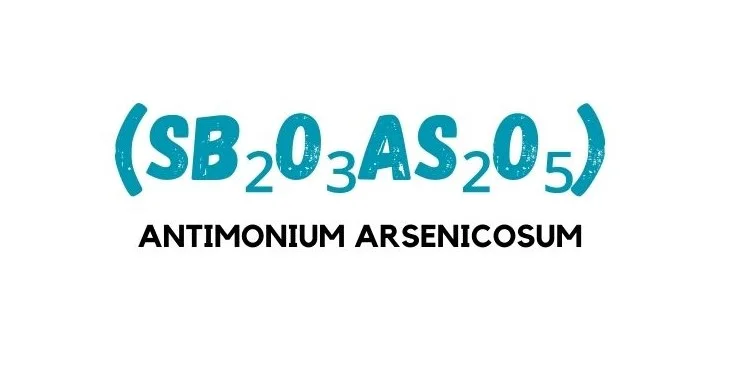
Dr. N.M. Chowdhury recommends Antimonium Arsenicosum after pneumonia and pleurisy, especially when acute symptoms have subsided, and dyspnea persists.
ANTIMONIUM ARSENICOSUM Read Post »
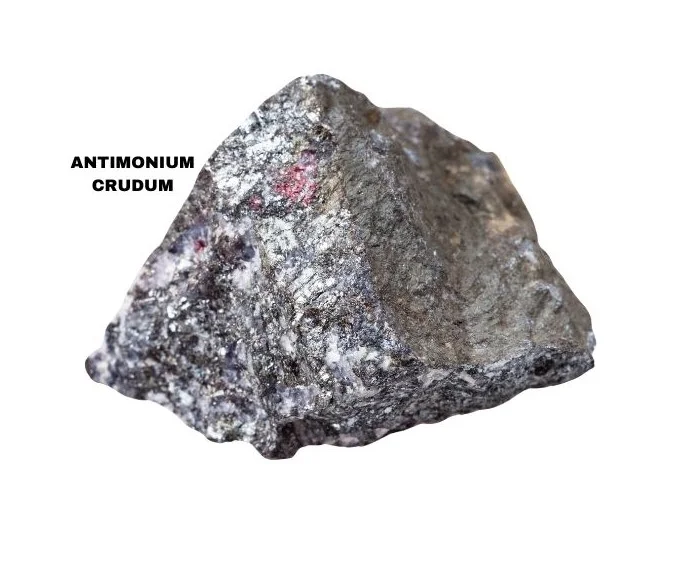
Antimonium Crudum, derived from the mineral kingdom, is a potentized remedy with a diverse range of applications. It predominantly affects the mucous membranes, especially those of the stomach and intestines, as well as the skin and mental sphere.

Anthracinum was incorporated into homeopathic practice by “Lux” well ahead of Pasteur’s experiments.
It exhibits a particular affinity for connective tissues, addressing conditions involving purulent foci and providing relief in severe inflammatory states.
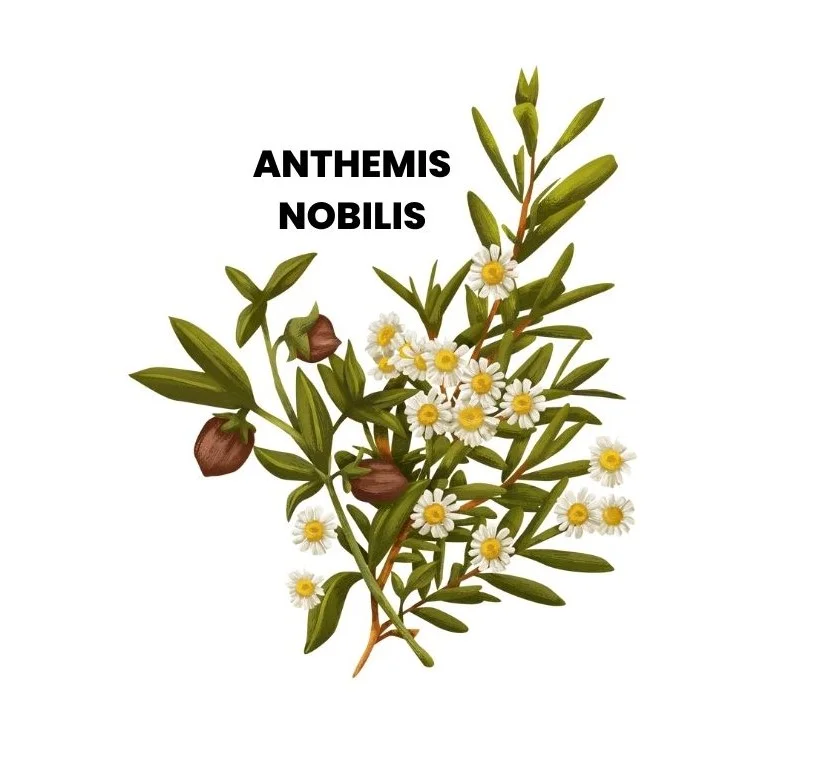
Anthemis nobilis a homeopathic remedy like ordinary Chamomile, is derived from the plant Chamomilla recutita, commonly known as German or Roman chamomile.
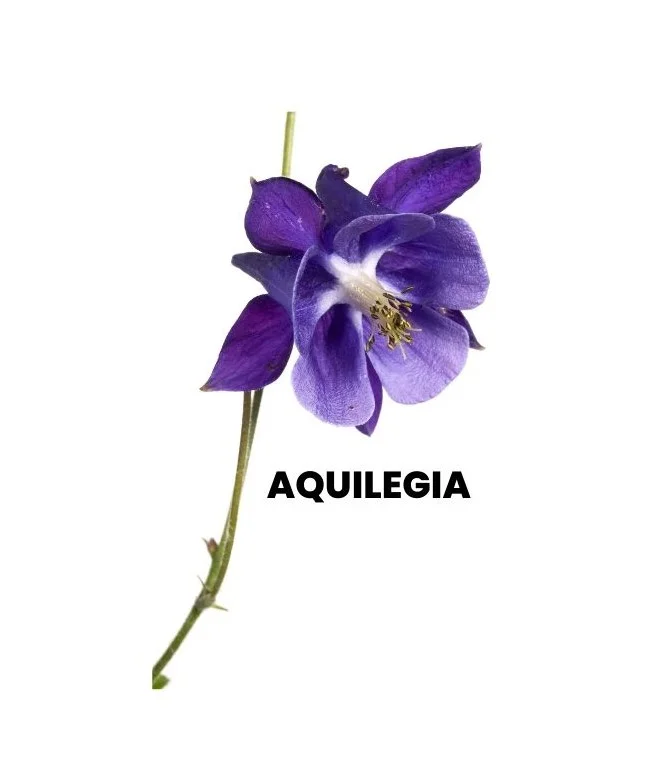
Aquilegia, commonly known as Columbine, stands as a unique remedy derived from the Columbine plant. This holistic approach to healing draws from the inherent properties of this botanical source.
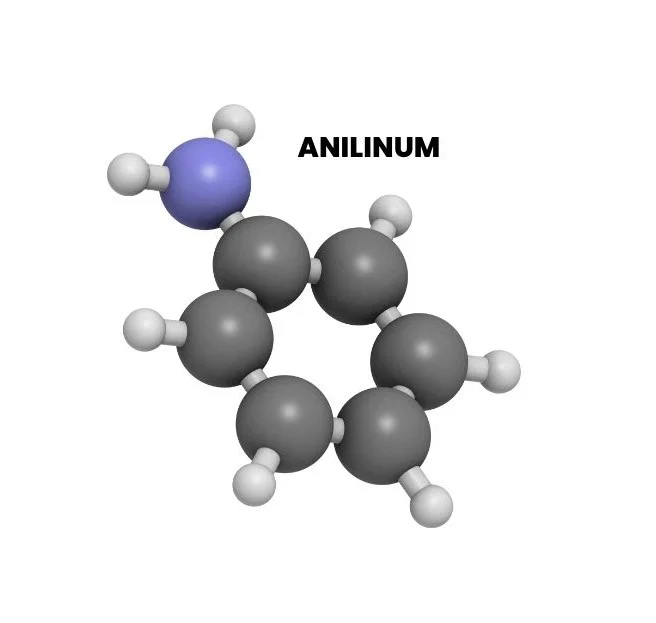
Anilinum, with its intricate symptomatology, unveils a remedy profile encompassing diverse physiological systems. The distinctive purple hue, giddiness, and genital afflictions contribute to the unique portrait of Anilinum.

Antipyrine, a coal-tar derivative renowned for inducing leucocytosis and influencing vaso-motor centers. Delve into its diverse symptoms encompassing mental, physical, and dermatological spheres.