
ARUNDO
Arundo is a remedy primarily used for catarrhal states and hay fever. It is derived from the reed plant and is particularly effective in addressing symptoms such as itching, burning, and irritation in various parts of the body.


Arundo is a remedy primarily used for catarrhal states and hay fever. It is derived from the reed plant and is particularly effective in addressing symptoms such as itching, burning, and irritation in various parts of the body.

Arsenicum Bromatum, derived from Bromide of Arsenic, is renowned for its significant impact as an anti-psoric and anti-syphilitic remedy.
ARSENICUM BROMATUM Read Post »

Arsenicum Hydrogenisatum, a preparation of Arsenic, exhibits a more accentuated general action of Arsenic. It is characterized by its impact on various bodily systems, leading to symptoms such as anemia, anxiety, hæmaturia, and collapse.
ARSENICUM HYDROGENISATUM Read Post »

Arsenicum Metallicum, derived from Metallic Arsenic, is a homeopathic remedy known for its effects on various bodily systems. This remedy is characterized by weakness and a swollen sensation in different body parts.
ARSENICUM METALLICUM Read Post »

Arsenicum Sulfuratum Flavum, commonly known as Arsenic Trisulphide or Orpiment, is a homeopathic remedy derived from the yellow sulfide of arsenic.
ARSENICUM SULFURATUM FLAVUM-ARSENIC TRISULPH Read Post »

Asclepias Syriaca, commonly known as Silkweed or Milkweed, is a homeopathic remedy that appears to have a specific influence on the nervous system and urinary organs.
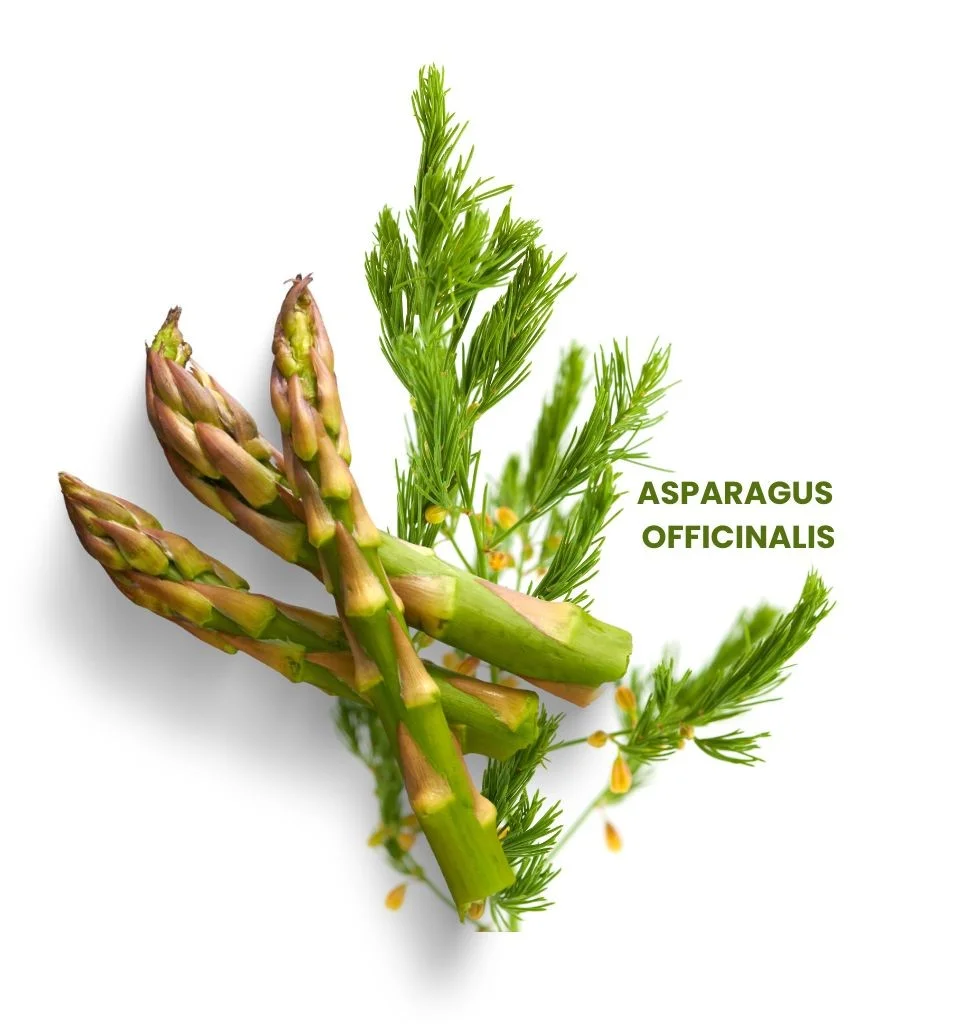
Asparagus Officinalis, derived from Common Garden Asparagus, is a homeopathic remedy known for its notable and immediate impact on urinary secretion. It exhibits effects such as weakness, cardiac depression, and dropsy.
ASPARAGUS OFFICINALIS Read Post »

Asimina triloba, commonly known as the American Pawpaw, is a homeopathic remedy derived from the plant with the same name. It is characterized by its potential to produce symptoms resembling scarlet fever.
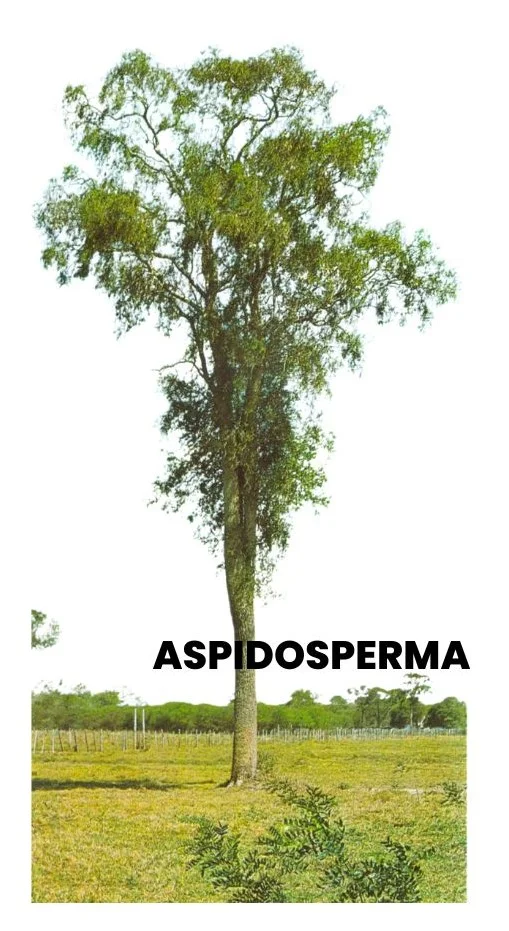
Aspidosperma, commonly known as Quebracho, is recognized as the “digitalis of the lungs.” It is a homeopathic remedy derived from the bark of the Aspidosperma tree.

Astragalus Mollissimus, commonly known as Purple or Woolly Loco-weed, is a plant with notable effects on animals, resembling the impact of alcohol, tobacco, and morphine in humans.
ASTRAGALUS MOLLISSIMUS Read Post »
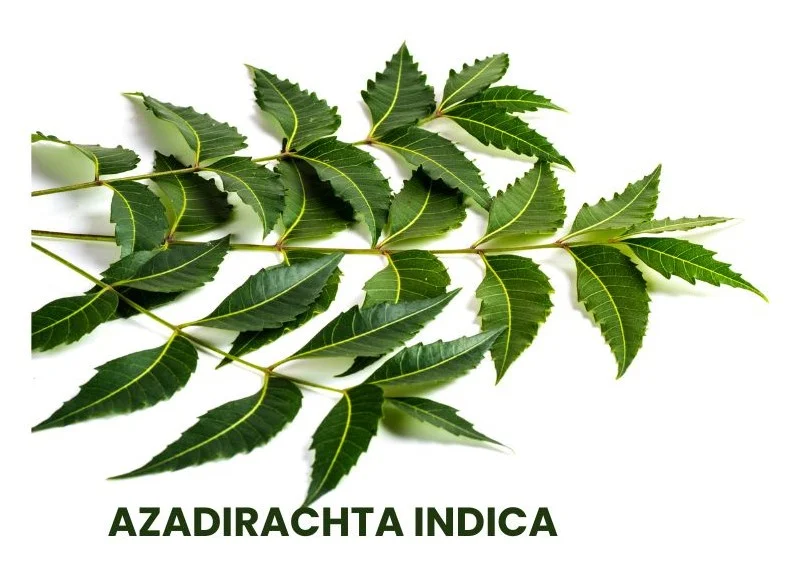
Azadirachta Indica, commonly known as Margosa Bark or Neem, is a homeopathic remedy with a range of effects on the body. It is derived from the bark of the Neem tree, which is native to the Indian subcontinent and is known for its various medicinal properties.
AZADIRACHTA INDICA Read Post »

Astacus Fluviatilis, also known as Cancer Astacus, is a homeopathic remedy derived from the common crayfish or crawfish.
ASTACUS FLUVIATILIS-CANCER ASTACUS Read Post »
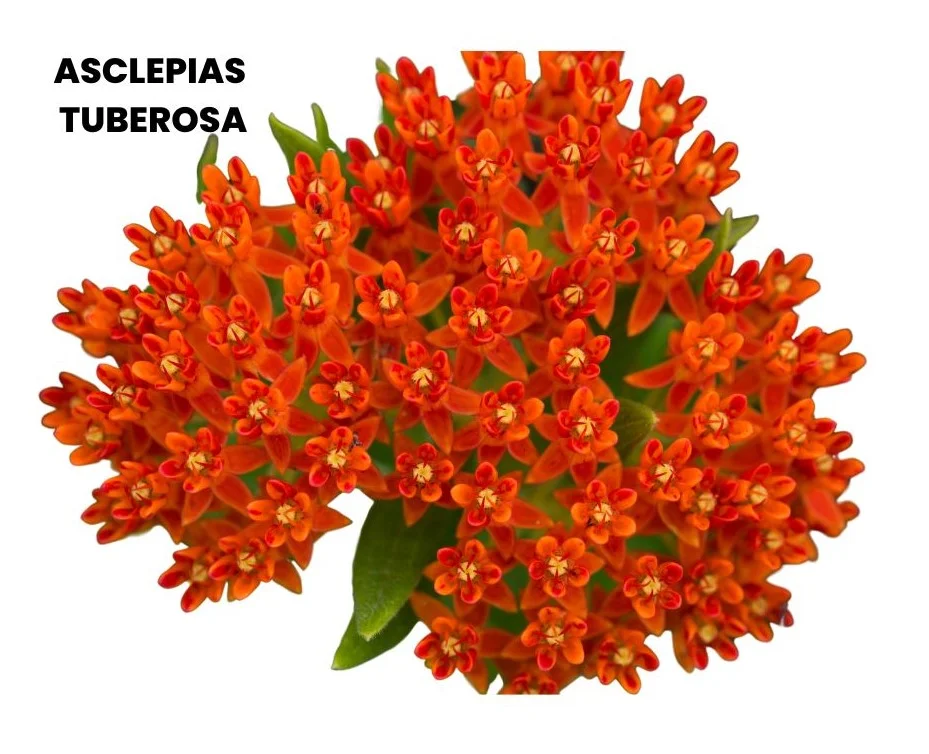
Asclepias tuberosa, commonly known as Pleurisy-root, is a homeopathic remedy derived from the plant of the same name.
ASCLEPIAS TUBEROSA Read Post »

Argentum metallicum is prepared from precipitated silver. It primarily acts as a left-sided remedy. Hahnemann recognized the therapeutic potential of silver and outlined the process of potentization for its medicinal use.
ARGENTUM METALLICUM Read Post »
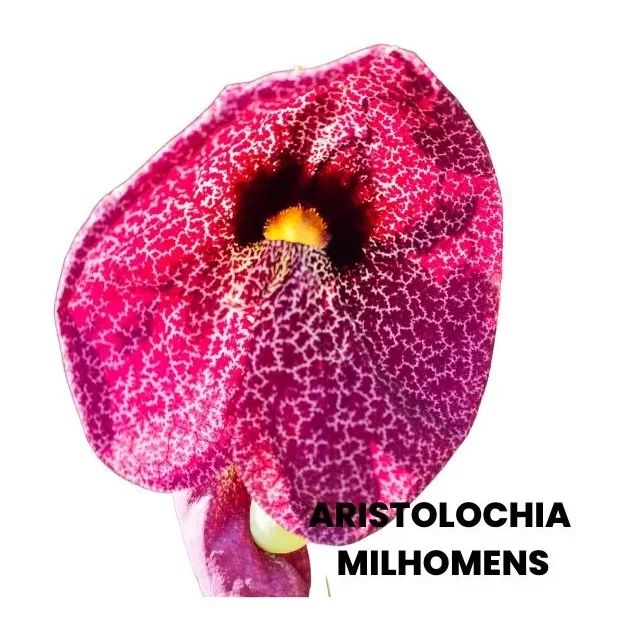
Aristolochia Milhomens, commonly known as Brazilian Snake Root, is a homeopathic remedy prepared from the plant Aristolochia Milhomens.This remedy is characterized by stitching pains in various body parts and exhibits a range of symptoms affecting the gastrointestinal system, extremities, and skin.
ARISTOLOCHIA MILHOMENS Read Post »