
PERTUSSINUM
Pertussinum, also known as Coqueluchin, is a homeopathic remedy derived from the mucus containing the virus of whooping cough (pertussis).

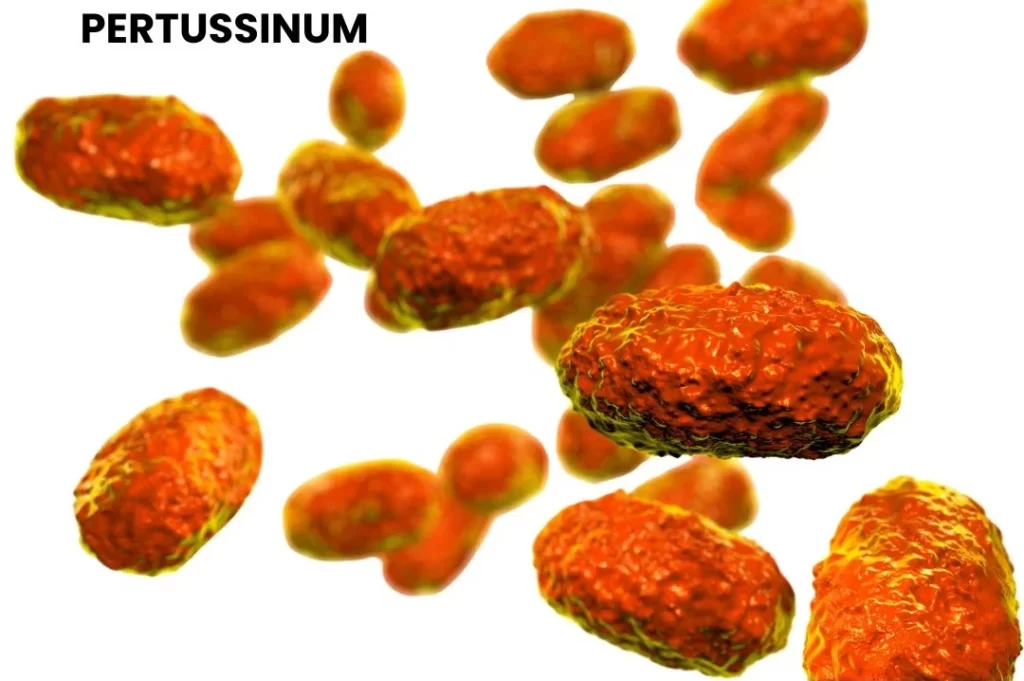
Pertussinum, also known as Coqueluchin, is a homeopathic remedy derived from the mucus containing the virus of whooping cough (pertussis).
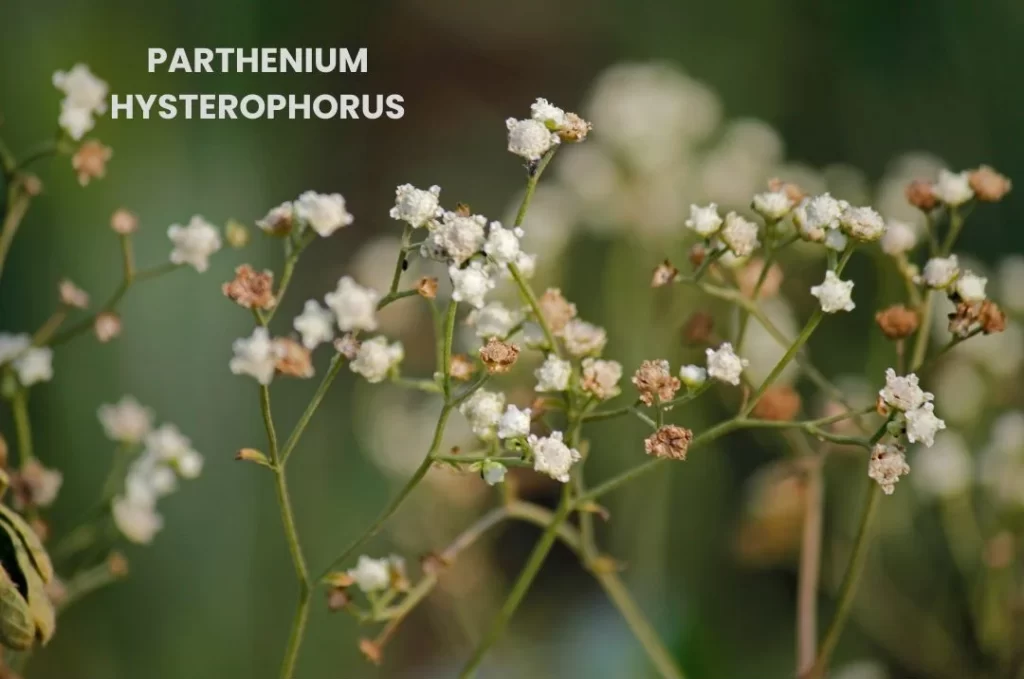
Parthenium hysterophorus, commonly known as Bitter-broom or Escoba Amargo, is a plant traditionally used in Cuban medicine. It is particularly valued for its effectiveness in treating fevers, especially those of malarial origin.
PARTHENIUM HYSTEROPHORUS Read Post »
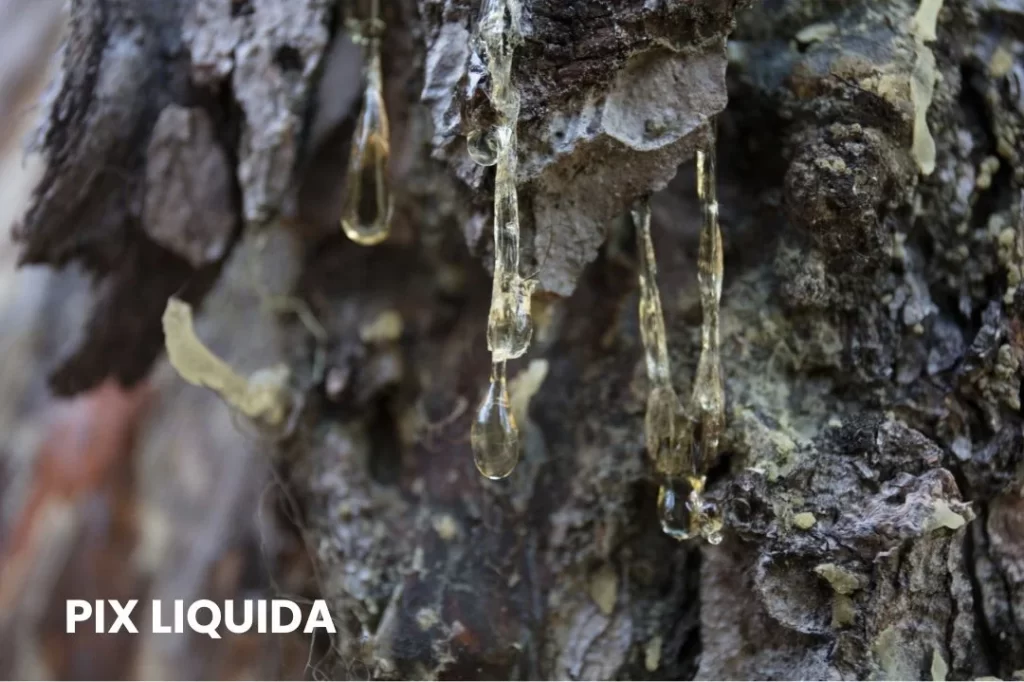
Pix liquida acts on various mucous membranes and is particularly noted for its efficacy in treating bronchial irritation, chronic bronchitis, and skin ailments.
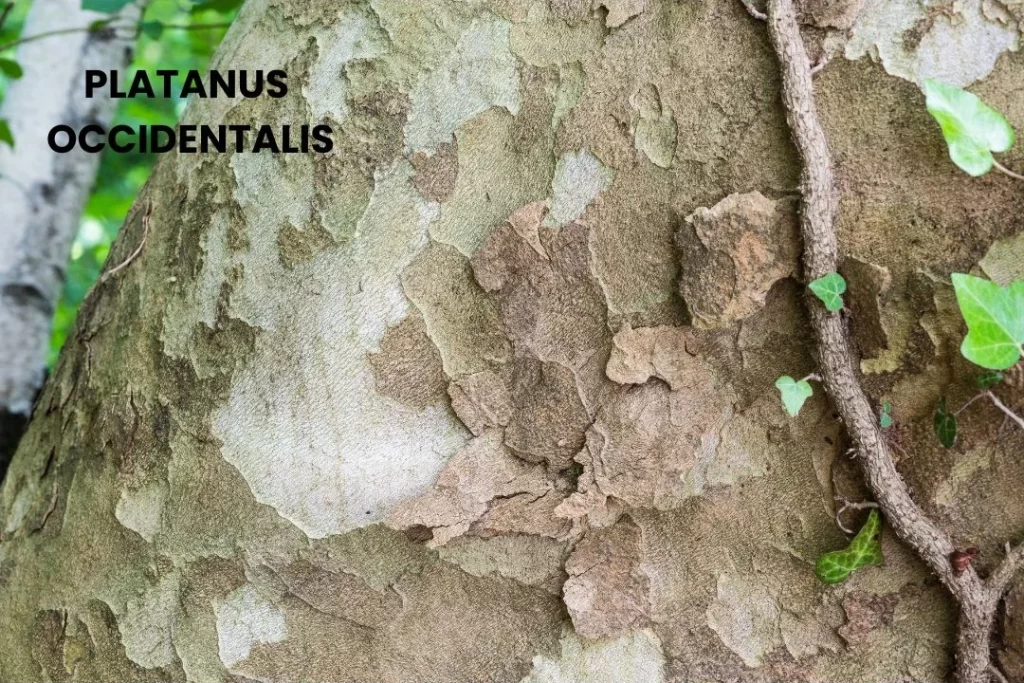
Platanus occidentalis is especially beneficial for children and has shown promise in restoring tissue in cases where destruction and cicatricial contraction have caused significant deformity.
PLATANUS OCCIDENTALIS Read Post »
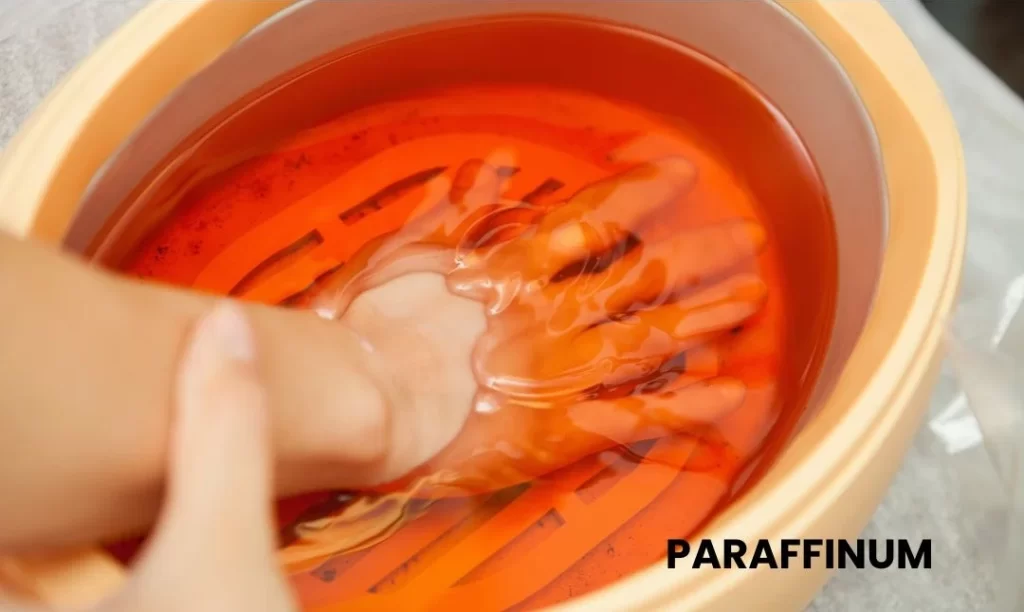
Paraffinum, commonly known as purified paraffin, is a valuable homeopathic remedy used primarily in treating uterine affections, constipation, and various types of pain.
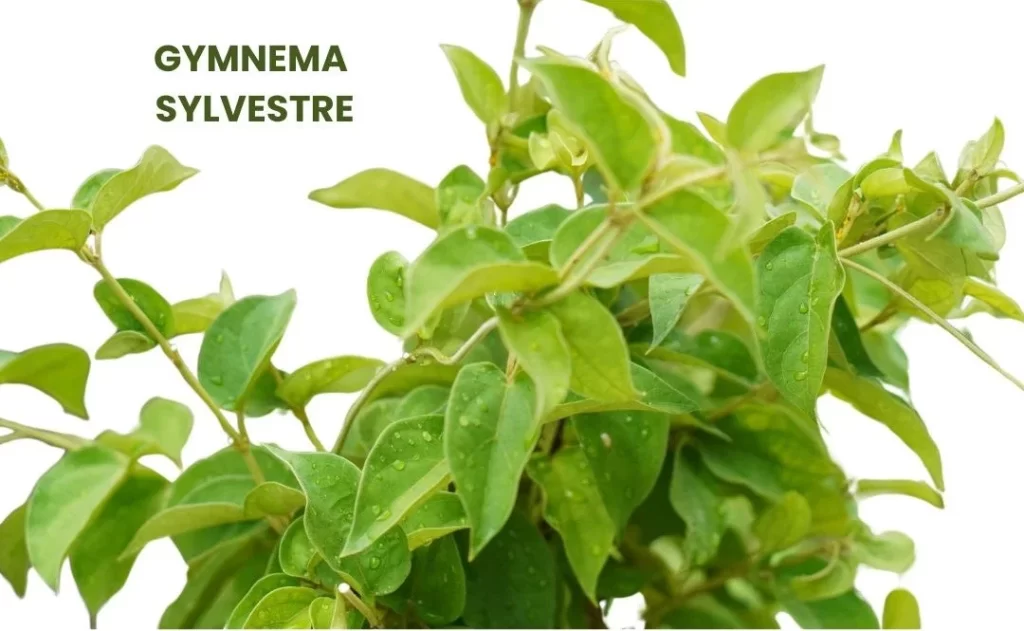
Gymnema sylvestre belongs to the Asclepiadaceae family and has shown significant promise in treating diabetes mellitus and poisonous snake bites.
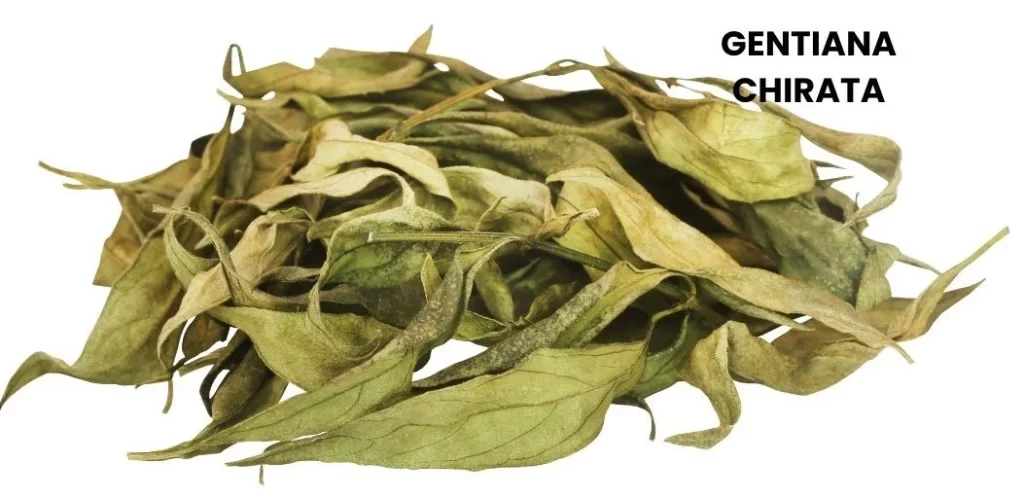
Gentiana chirata is especially valued for its anti-pyretic properties, making it effective against chronic fevers, and for treating various gastrointestinal and hepatic conditions.
GENTIANA CHIRATA OR SWERTIA CHIRATA Read Post »
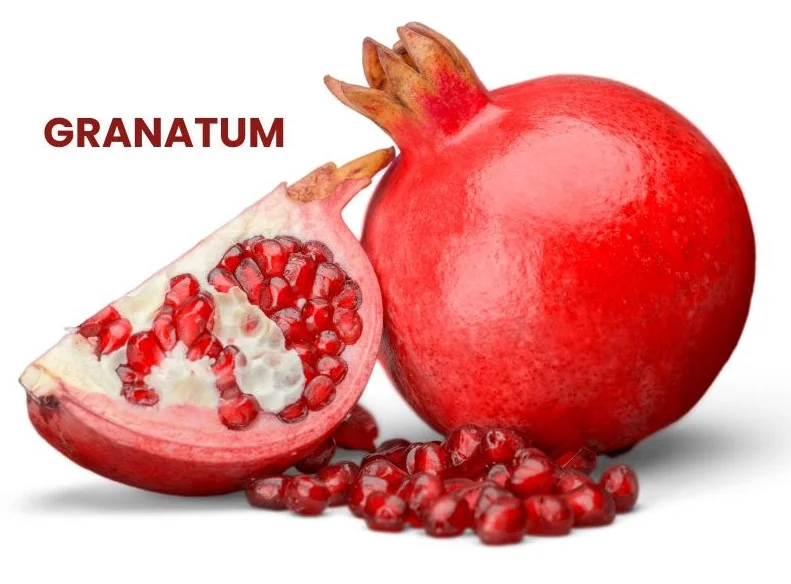
Granatum, commonly known as Pomegranate, is utilized both as a vermifuge to expel tapeworms and as a homeopathic remedy for various symptomatic indications.
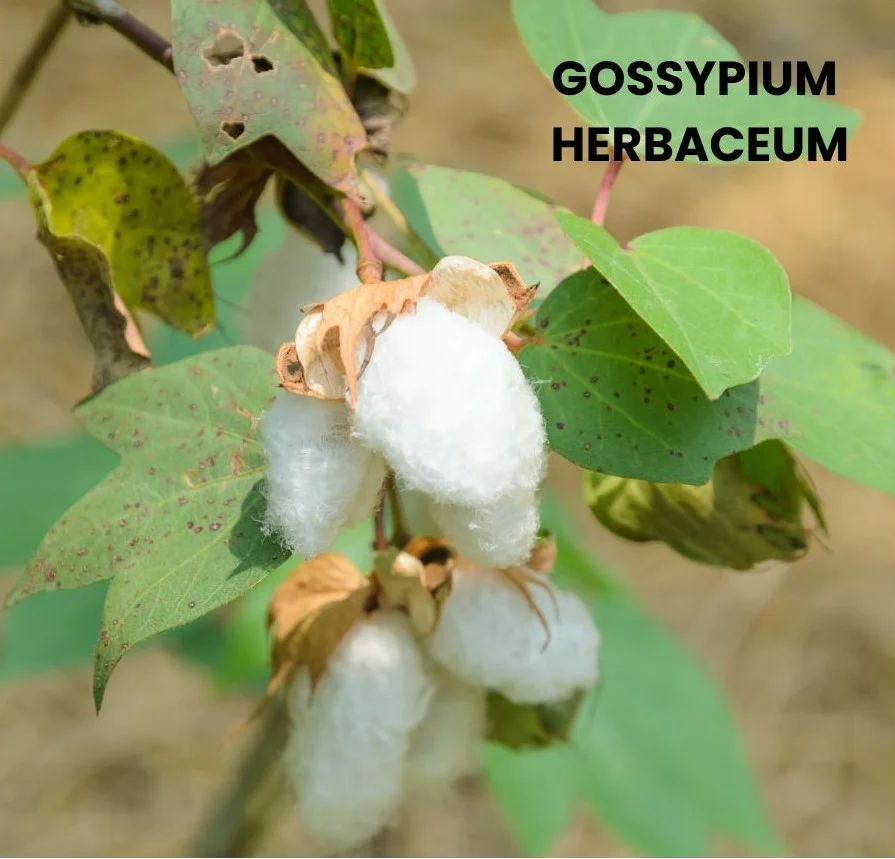
Gossypium herbaceum, commonly known as the cotton plant, is a powerful emmenagogue, meaning it promotes menstrual flow. In homeopathy, it is used to address various reflex conditions related to disturbed uterine function and pregnancy.
GOSSYPIUM HERBACEUM Read Post »

Euphorbia Polycarpa, commonly known as Golondrina, is renowned in traditional medicine for its potent antidote properties against snake poison.
GOLONDRINA OR EUPHORBIA POLYCARPA Read Post »

Gelsemium, known as “Yellow Jessamine,” is an important remedy in homeopathy, particularly noted for its paralyzing effects. It is known for causing various degrees of motor paralysis and general prostration.
GELSEMIUM SEMPERVIRENS Read Post »

Graphites, also known as black lead, is an important homeopathic remedy derived from amorphous carbon. Whether you are dealing with stubborn skin issues, digestive troubles, or menstrual irregularities, Graphites offers a powerful, holistic approach to healing.

Understanding the different types of fever is crucial for effective diagnosis and treatment. Here are detailed explanations of intermittent, remittent, and continuous fevers.
TYPES OF FEVER: INTERMITTENT, REMITTENT, AND CONTINUOUS Read Post »

Glonoinum, commonly known as nitro-glycerine, is a powerful homeopathic remedy renowned for its rapid and violent action, particularly on the cardiovascular and nervous systems.
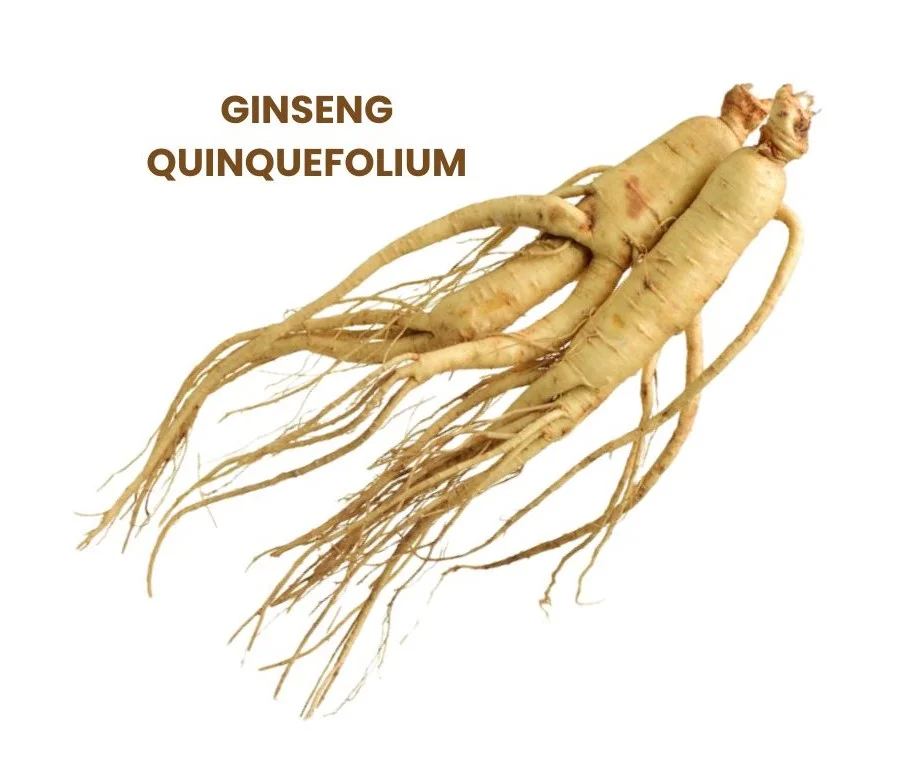
Ginseng Quinquefolium is utilized for its effects on the secretory glands, lower spinal cord, and various other conditions such as lumbago, sciatica, rheumatism, and paralytic weakness.
GINSENG QUINQUEFOLIUM Read Post »