
PRIMULA VERIS
Primula veris, commonly known as Cowslip, is a medicinal herb known for its therapeutic effects on various ailments, particularly those related to the head, respiratory system, and extremities.


Primula veris, commonly known as Cowslip, is a medicinal herb known for its therapeutic effects on various ailments, particularly those related to the head, respiratory system, and extremities.

Populus candicans, commonly known as Balm of Gilead, is a homeopathic remedy recognized for its efficacy in treating acute colds and respiratory conditions, particularly those involving hoarseness and loss of voice.
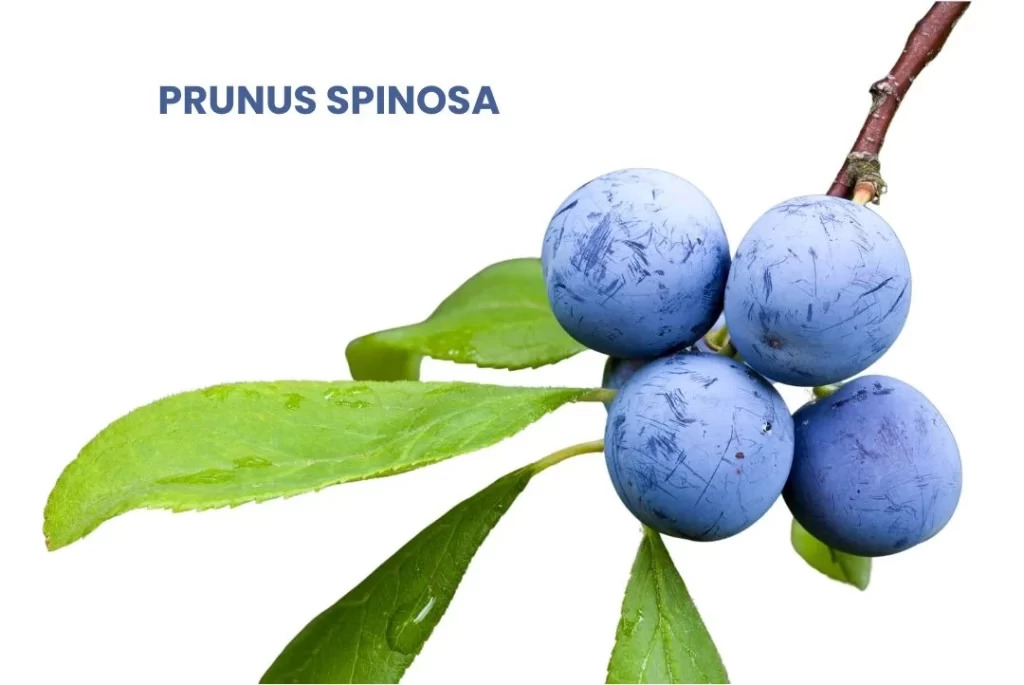
Prunus Spinosa, commonly known as Black-thorn, is a homeopathic remedy renowned for its effects on the urinary organs, head, and various neuralgic conditions.

Propylamium is used to alleviate symptoms associated with acute rheumatism, including fever, pain, and specific manifestations like rheumatic prosopalgia (facial pain) and metastatic rheumatic heart lesions.

The pituitary gland is a crucial endocrine organ that controls growth, development, and the function of other endocrine glands.In homeopathic practice, it is employed for conditions related to growth, muscular activity, blood pressure, and reproductive health.
PITUITARIA GLANDULA Read Post »

Polyporus Pinicola, commonly known as Pine Agaric, is a homeopathic remedy used primarily for fevers and rheumatic conditions. This remedy is also known for addressing specific types of pain, especially those affecting the bones and joints.
POLYPORUS PINICOLA Read Post »

Polygonum hydropiperoides, commonly known as Hydropiper or Smartweed, is a homeopathic remedy used for various conditions, particularly those related to the female reproductive system, gastrointestinal tract, and skin.
POLYGONUM HYDROPIPEROIDES Read Post »

Populus tremuloides, commonly known as American Aspen or Quaking Aspen, is a homeopathic remedy primarily used for gastrointestinal and urinary tract conditions.
POPULUS TREMULOIDES Read Post »
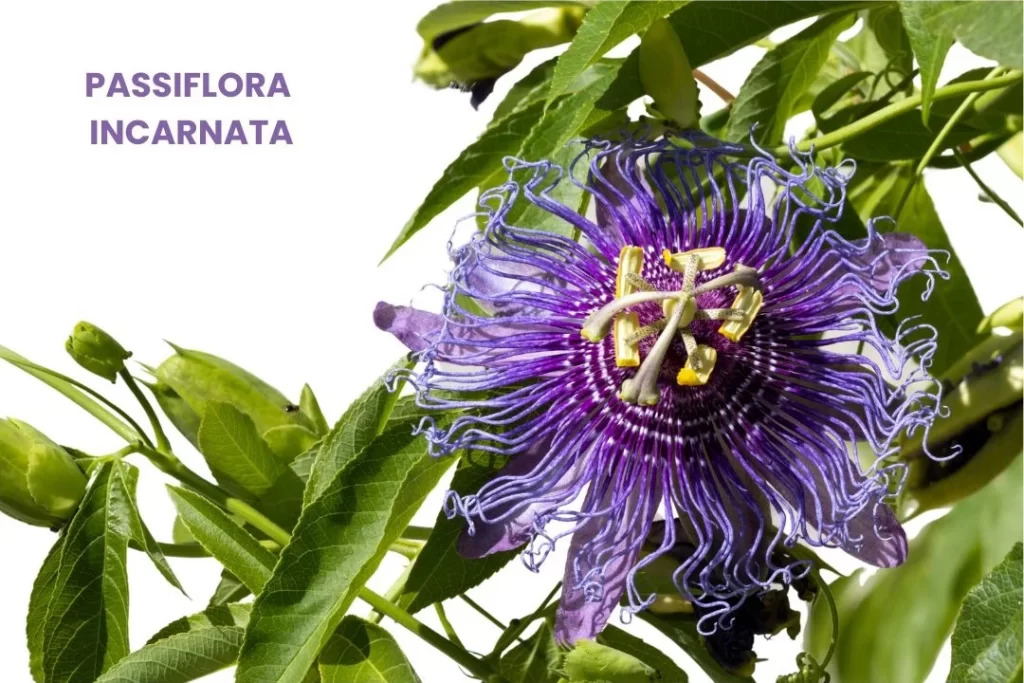
Passiflora incarnata, commonly known as Passion-flower, is a well-regarded remedy in homeopathy and herbal medicine. It is particularly valued for its calming and anti-spasmodic properties.
PASSIFLORA INCARNATA Read Post »
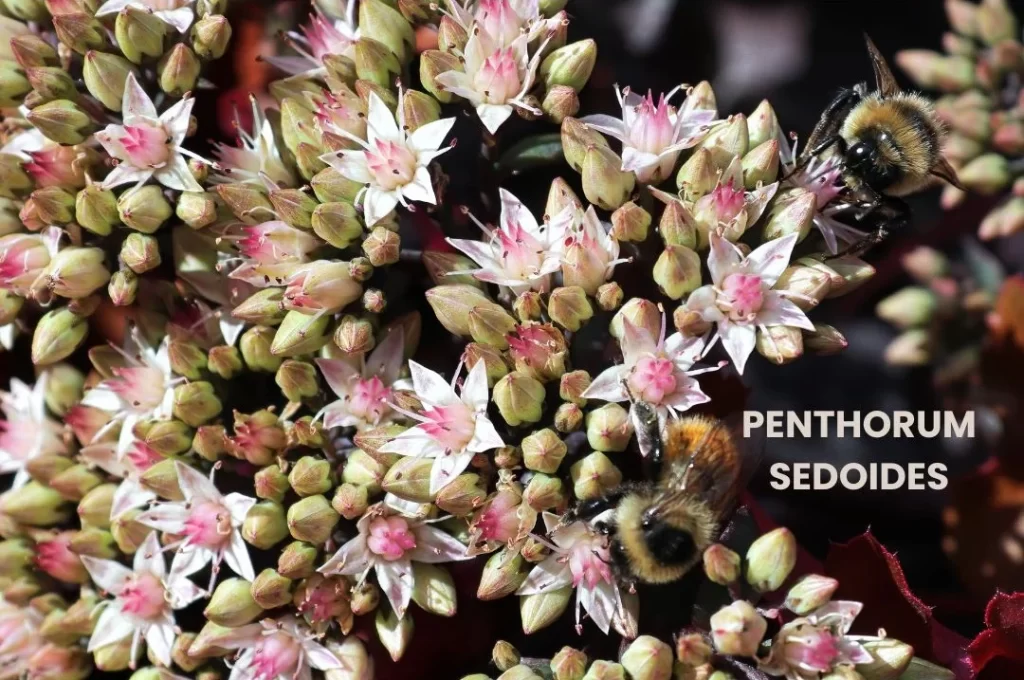
Penthorum sedoides, commonly known as Virginia Stonecrop, is a homeopathic remedy primarily used for conditions related to the mucous membranes.
PENTHORUM SEDOIDES Read Post »
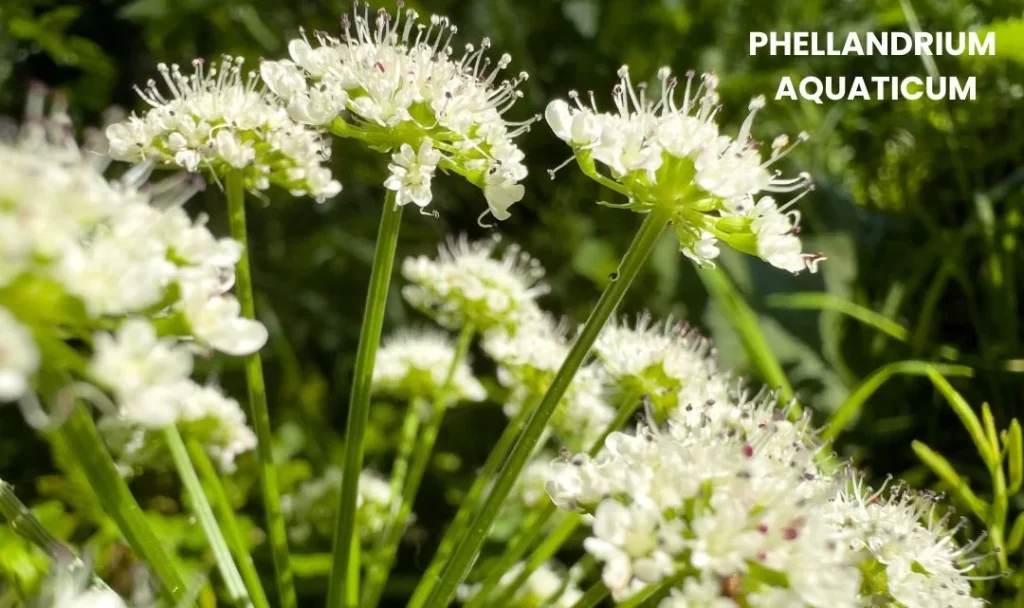
Phellandrium Aquaticum is a homeopathic remedy primarily used for respiratory conditions. It is particularly effective in treating offensive expectoration and cough associated with phthisis (tuberculosis), bronchitis, and emphysema.
PHELLANDRIUM AQUATICUM Read Post »
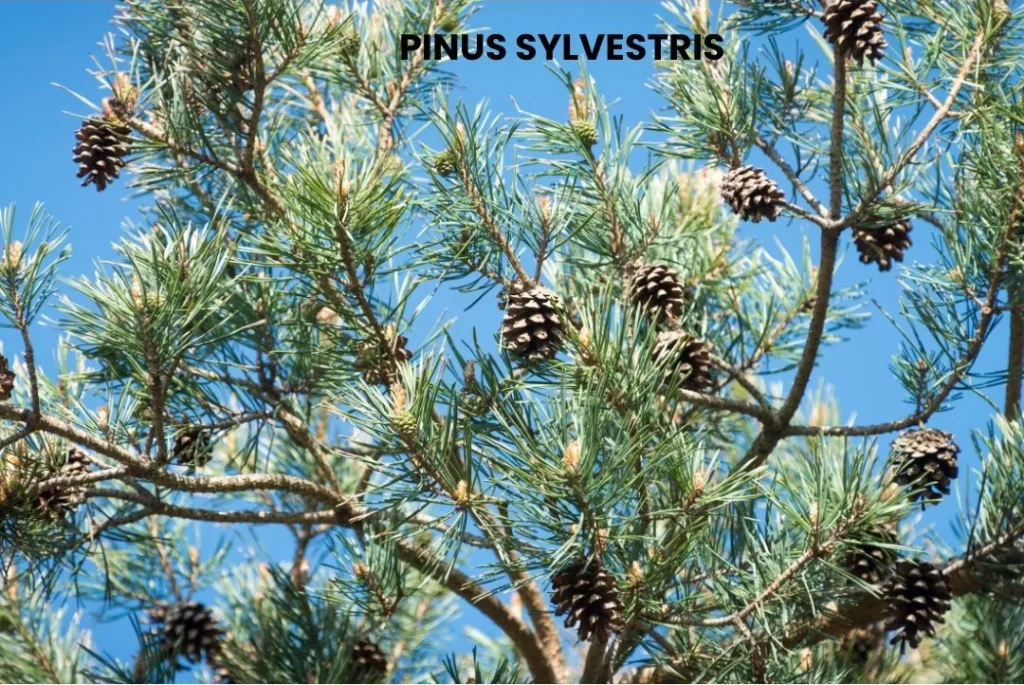
Pinus Sylvestris, commonly known as Scotch Pine, is a homeopathic remedy known for its therapeutic effects on various conditions, particularly those affecting the musculoskeletal system, respiratory system, and skin.
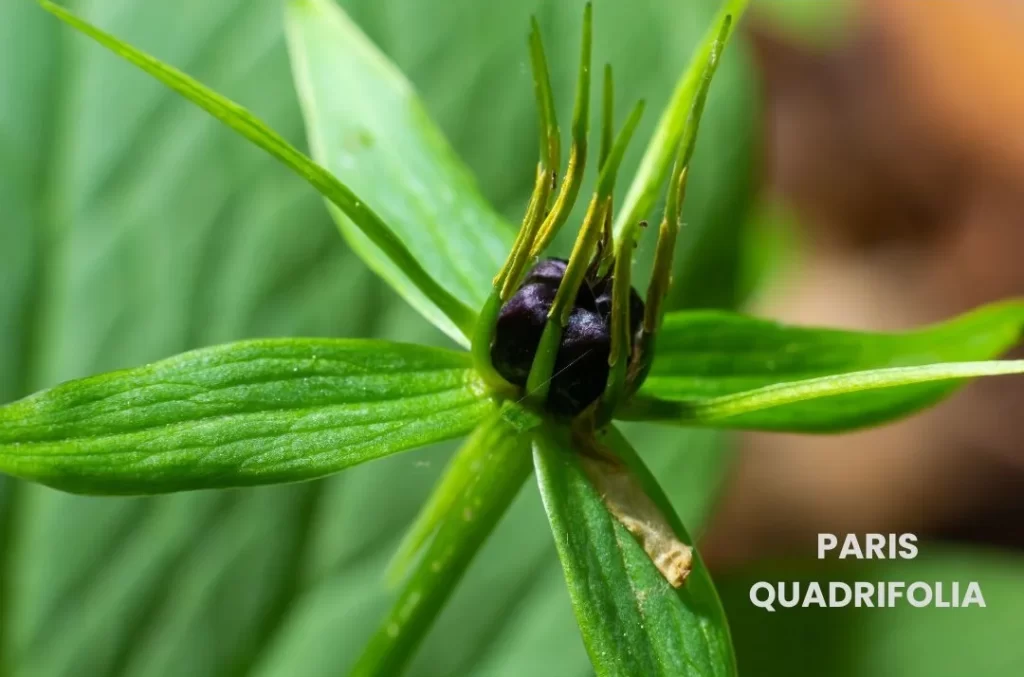
Paris quadrifolia is well-known for its marked head symptoms, catarrhal complaints, and a distinct sensation of bodily asymmetry, with coldness on one side and heat on the other.
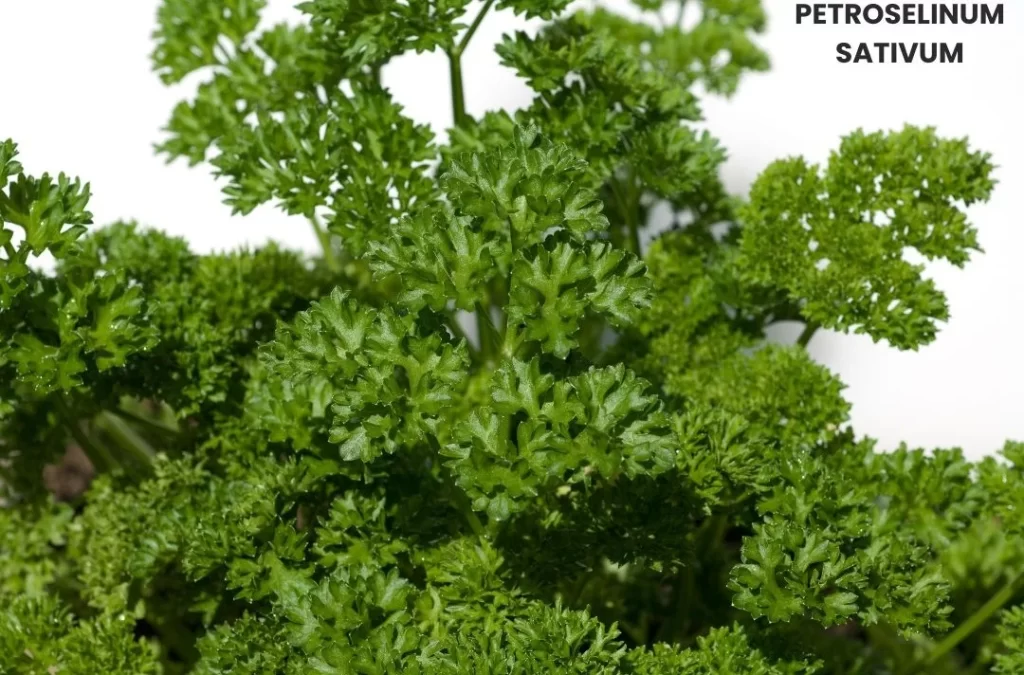
Petroselinum Sativum, commonly known as Parsley, is a homeopathic remedy particularly known for its effectiveness in treating urinary symptoms. Additionally, it is used for conditions like hemorrhoids with significant itching.
PETROSELINUM SATIVUM Read Post »

Piper Nigrum, commonly known as Black Pepper, is a widely used spice and holds significance in homeopathy. It is primarily known for its effects on various systems of the body, particularly the digestive system, respiratory system, and urinary system.