
Last updated on January 31, 2026
A wound is any break in the body’s protective surface—skin, tissue, or mucosa.
Healing is the body’s natural intelligence at work, involving:
- Control of bleeding
- Prevention of infection
- Repair of damaged tissue
- Restoration of strength and elasticity
Sometimes wounds heal quickly.
Sometimes they heal slowly, reopen, or become infected.
This delay often happens due to:
- Poor circulation
- Infection or pus formation
- Weak tissue response
- Emotional shock or trauma
- Chronic illness (diabetes, anemia, autoimmune states)
Homeopathy does not “force” healing.
It supports the body’s own repair mechanisms, allowing healing to proceed smoothly and safely.
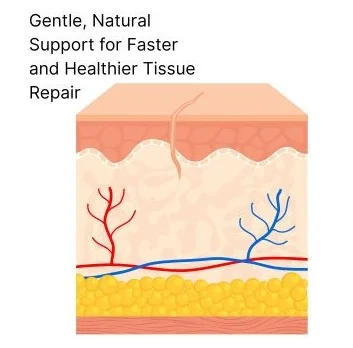
Table of Contents
ToggleHow Homeopathy Helps in Wound Healing
Homeopathy works on the vital response of the body rather than just the wound surface.
It helps by:
- Improving local circulation
- Reducing inflammation naturally
- Supporting clean granulation (new tissue formation)
- Preventing abnormal scarring
- Supporting healing after surgery or trauma
Homeopathic remedies can be used:
- Alongside conventional care
- Before and after surgery
- In acute injuries and chronic non-healing wounds
Homeopathic Medicines for Wound Healing
Calendula Officinalis – The Primary Remedy for Clean Wound Healing
Who it is suitable for
- Fresh cuts, abrasions, and lacerations
- Surgical wounds
- Wounds that need clean healing without infection
How the wound appears
- Raw or open wounds
- Clean but slow-healing cuts
- Tender skin
- Risk of infection
Why this remedy works
Calendula is known in homeopathy as a tissue healer.
It promotes healthy granulation, prevents infection, and supports rapid skin repair without suppressing natural inflammation.
When to think of it clinically
- First aid remedy
- Post-surgical wound care
- Stitches and incisions
Dosage
- Calendula Q (external): dilute in clean water and apply locally
- Calendula 30C (internal): twice daily for a few days
Arnica Montana – For Wounds from Trauma and Injury
Who it is suitable for
- Injuries caused by blunt trauma
- Falls, accidents, sports injuries
- Post-surgical bruising
How the wound appears
- Bruising and soreness
- Swelling around the wound
- Pain as if “beaten”
Why this remedy works
Arnica supports circulation and tissue recovery after trauma, reducing bruising and shock that slow healing.
When to think of it clinically
- Immediately after injury
- Before and after surgery
- Painful wounds with bruising
Dosage
- Arnica 30C – twice daily for 2–3 days
- High trauma: 200C once daily for short duration
Staphysagria – For Surgical and Incised Wounds
Who it is suitable for
- Surgical cuts
- Clean knife wounds
- Episiotomy or cesarean wounds
How the wound appears
- Sharp, clean incisions
- Pain along the incision line
- Emotional sensitivity after surgery
Why this remedy works
Staphysagria supports healing of clean-cut wounds, especially when emotional trauma or suppressed anger is present.
When to think of it clinically
- Post-operative recovery
- Deep incisions
- Wounds that hurt more emotionally than physically
Dosage
- Staphysagria 30C – twice daily for 5–7 days
- Deep surgical cases: 200C once weekly
Hepar Sulphuris – For Infected or Suppurating Wounds
Who it is suitable for
- Wounds forming pus
- Infected cuts
- Painful, sensitive wounds
How the wound appears
- Red, swollen edges
- Extreme tenderness
- Pus formation
- Sensitive to touch or cold
Why this remedy works
Hepar Sulph helps the body localise and resolve infection, supporting clean drainage and preventing deeper spread.
When to think of it clinically
- Abscesses
- Infected surgical wounds
- Slow-healing wounds with pus
Dosage
- Hepar Sulph 30C – once or twice daily
- Stop once improvement starts
Silicea – For Non-Healing or Weak Wounds
Who it is suitable for
- Chronic non-healing wounds
- Weak immune response
- Post-infection slow recovery
How the wound appears
- Takes long time to heal
- Reopens easily
- Poor tissue strength
Why this remedy works
Silicea strengthens tissue resilience and immune response, helping the body complete healing when it feels “stuck.”
When to think of it clinically
- Old wounds
- Recurrent abscesses
- Delayed surgical recovery
Dosage
- Silicea 30C – once daily for 2–3 weeks
Hypericum Perforatum – For Nerve-Rich Painful Wounds
Who it is suitable for
- Wounds involving nerves
- Fingers, toes, spine, tailbone injuries
How the wound appears
- Sharp, shooting pain
- Tingling or nerve sensitivity
Why this remedy works
Hypericum supports nerve healing and pain relief, preventing long-term nerve sensitivity.
Dosage
- Hypericum 30C – twice daily for a few days
Ledum Palustre – For Puncture and Bite Wounds
Who it is suitable for
- Nail injuries
- Animal or insect bites
- Deep puncture wounds
How the wound appears
- Small opening but deep injury
- Cold sensation
- Minimal bleeding
Why this remedy works
Ledum supports healing from deep puncture wounds, reducing infection risk and tetanus tendency.
Dosage
- Ledum 30C – twice daily for 3–5 days
Biochemic (Tissue Salt) Support for Wound Healing
These salts act at the cellular level to support tissue repair:
- Calcarea Phosphorica 6X – tissue regeneration
- Ferrum Phosphoricum 6X – early inflammation and circulation
- Kali Muraticum 6X – healing of tissues after infection
Dosage:
4 tablets twice daily for 4–6 weeks
Frequently Asked Questions (FAQs)
Can homeopathy heal wounds faster?
- Homeopathy supports the body’s natural healing speed by improving circulation, immunity, and tissue response.
Is it safe for children and elderly?
- Yes, when prescribed correctly.
Can homeopathy reduce scarring?
- Certain remedies help promote healthy tissue repair and minimise abnormal scarring.
Final Thoughts
Wound healing is not just about skin—it is about vital repair, immunity, and balance.
Homeopathy offers:
- Gentle support
- Minimal side effects
- Individualised healing
- Safe integration with modern care
When used correctly, it helps wounds heal cleanly, naturally, and completely.