
Focus and concentration are the brain’s ability to stay present, process information, and complete tasks efficiently. When these functions are strong, learning feels smooth, decisions are easier, and daily responsibilities feel manageable.
When focus is weak, even simple tasks become tiring.
Many people describe it as:
- “I read the same page again and again”
- “My mind keeps wandering”
- “I forget what I was about to do”
- “I feel mentally tired even without much work”
- “I sit to work, but nothing flows”
This experience can be deeply frustrating. It often leads to self-blame, guilt, and anxiety.
However, it is important to understand one thing clearly:
👉 Poor concentration is not laziness.
👉 It is usually a sign that the nervous system is overloaded, exhausted, or emotionally burdened.
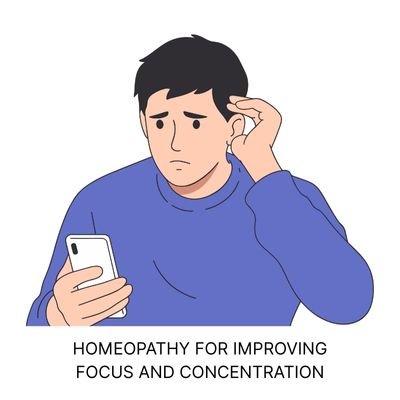
Table of Contents
ToggleWhy Focus and Concentration Decline
The brain is not designed to function under constant pressure. When demands exceed capacity for long periods, focus naturally suffers.
In modern life, this overload happens silently.
Common Causes of Poor Focus and Concentration
Loss of focus rarely has a single cause. It usually develops due to a combination of physical, mental, and emotional factors.
Some of the most common causes include:
🔹 Chronic Stress or Anxiety
Ongoing stress keeps the brain in “alert mode,” making deep focus difficult.
🔹 Mental Overwork and Burnout
Long hours of study, work pressure, multitasking, and lack of breaks exhaust the brain.
🔹 Poor or Irregular Sleep
Sleep is when the brain repairs itself. Inadequate sleep directly reduces attention and memory.
🔹 Excessive Screen Time
Constant scrolling, notifications, and blue light exposure fragment attention.
🔹 Emotional Stress or Suppressed Feelings
Unexpressed emotions occupy mental space, leaving little energy for concentration.
🔹 Hormonal Imbalance
Conditions related to thyroid, cortisol, PMS, menopause, or adrenal fatigue can impair focus.
🔹 Nutritional Deficiencies
Low iron, B-vitamins, or poor digestion can affect brain function.
🔹 Long-Term Illness or Medications
Chronic health issues or certain medicines may slow mental processing.
Because causes differ, focus problems vary from person to person—which is why a one-size-fits-all solution rarely works.
How Homeopathy Helps Improve Focus and Concentration
Homeopathy approaches poor focus differently from stimulants or quick fixes.
It does not force alertness or artificially push the brain.
Instead, homeopathy works gently by:
- Supporting nerve cell function
- Improving mental energy naturally
- Reducing stress-related brain fog
- Supporting emotional balance
- Strengthening attention span gradually
Homeopathy looks at:
- How the mind reacts to stress
- How mental fatigue develops
- How emotions influence concentration
In simple terms, homeopathy treats the person’s mental pattern, not just the symptom of poor focus.
Homeopathic Medicines for Improving Focus and Concentration
⚠️ These descriptions explain patterns, not self-prescription. Remedies are selected individually.
Anacardium Orientale – For Poor Focus with Self-Doubt
Anacardium is one of the most important homeopathic medicines for concentration problems, especially when focus issues are closely linked to lack of confidence and inner insecurity.
When this medicine is needed
- When the person knows the answer but cannot recall it
- When the mind feels blank under pressure
- When decision-making becomes difficult
What the person commonly experiences
- Difficulty concentrating
- Forgetting what was just read or heard
- Confusion while thinking or speaking
- Poor confidence in one’s own abilities
People often say:
- “My mind goes blank”
- “I doubt myself constantly”
- “I know I can do better, but something blocks me”
How Anacardium helps
Anacardium strengthens mental clarity, memory, and confidence by supporting higher brain functions.
Expected improvement
- Improved concentration
- Better recall
- Greater mental confidence
Dosage
Anacardium 30C – once daily for 2–3 weeks
(Chronic cases: 200C under professional guidance)
Kali Phosphoricum – For Mental Fatigue and Brain Fog
Kali Phosphoricum is considered the primary nerve tonic in homeopathy.
When this medicine is needed
- Focus problems due to mental exhaustion
- Stress-related forgetfulness
- Brain fog after long working hours
What the person commonly experiences
- Mental tiredness
- Poor concentration
- Forgetfulness
- Feeling mentally drained
People often say:
- “My mind feels exhausted”
- “I feel mentally weak”
- “Stress makes my focus worse”
How Kali Phos helps
It nourishes the nervous system and restores mental energy at a cellular level.
Expected improvement
- Clearer thinking
- Reduced mental fatigue
- Improved attention span
Dosage
Kali Phosphoricum 6X – 4 tablets twice daily (safe for long-term use)
Lycopodium Clavatum – For Focus Loss with Fear of Failure
Lycopodium is helpful when poor focus is linked to performance anxiety and self-doubt.
When this medicine is needed
- Forgetting while speaking
- Difficulty expressing thoughts under pressure
- Fear of making mistakes
What the person commonly experiences
- Mental confusion during performance
- Overthinking
- Loss of confidence in stressful situations
People often say:
- “I lose focus when I’m stressed”
- “I fear failing even when prepared”
How Lycopodium helps
It improves mental organisation, clarity, and confidence, especially in challenging situations.
Expected improvement
- Better verbal focus
- Increased confidence
- Clearer thinking under pressure
Dosage
Lycopodium 200C – once weekly
Phosphoric Acid – For Focus Loss After Burnout or Grief
Phosphoric Acid is indicated when focus problems appear after prolonged stress, illness, or emotional loss.
When this medicine is needed
- After burnout
- After grief or emotional shock
- After long periods of exhaustion
What the person commonly experiences
- Mental dullness
- Poor concentration
- Slow thinking
- Lack of interest
People often say:
- “My mind feels empty”
- “I don’t feel mentally sharp anymore”
How Phosphoric Acid helps
It restores deep mental energy when the brain feels drained.
Expected improvement
- Gradual return of focus
- Improved mental engagement
Dosage
Phosphoric Acid 30C – once daily for 10–14 days
(Chronic: 200C every 10–15 days)
Natrum Muriaticum – For Focus Problems from Emotional Suppression
Natrum Mur is suitable when poor concentration is linked to unexpressed emotional stress.
When this medicine is needed
- Difficulty concentrating due to emotional burden
- Dwelling on past events
- Silent stress
What the person commonly experiences
- Mental fatigue
- Poor concentration
- Emotional withdrawal
People often say:
- “I keep everything inside”
- “My mind is always occupied”
How Natrum Mur helps
It releases emotional overload that interferes with mental clarity.
Expected improvement
- Better concentration
- Emotional balance
Dosage
Natrum Muriaticum 200C – once every 10–15 days
Calcarea Carbonica – For Slow Thinking and Mental Heaviness
Calcarea Carb suits people with sluggish mental processing and fatigue.
When this medicine is needed
- Slow comprehension
- Mental heaviness
- Forgetfulness
People often say:
- “My mind works slowly”
- “I feel mentally heavy”
How Calcarea Carb helps
It supports metabolic and hormonal balance, which indirectly affects brain function.
Expected improvement
- Improved processing speed
- Better mental stamina
Dosage
Calcarea Carbonica 200C – once every 10–15 days
Silicea – For Poor Mental Endurance
Silicea is useful when focus drops quickly due to low mental stamina.
What the person experiences
- Mental exhaustion
- Difficulty sustaining attention
How Silicea helps
It strengthens long-term nerve endurance and mental resilience.
Dosage
Silicea 30C – once daily for 2–3 weeks
Biochemic (Tissue Salt) Support for Focus and Concentration
Biochemic tissue salts support brain cells gently and safely.
- Mental fatigue
- Poor focus
- Brain nourishment
- Mental stamina
- Mental clarity
- Emotional balance
Dosage
4 tablets twice daily for 3–6 months
Lifestyle Support That Enhances Focus
Homeopathy works best when combined with:
- Proper sleep
- Regular mental breaks
- Reduced screen exposure
- Balanced nutrition
- Emotional expression
- Stress management
Final Thoughts
Poor focus and concentration are signals, not failures.
They indicate mental overload, stress, or nervous fatigue—not permanent damage.
Homeopathy offers a gentle, individualised, and long-term approach by:
- Strengthening the nervous system
- Improving mental energy
- Restoring attention naturally
With patience, the right remedy, and supportive habits, focus and concentration can improve steadily, safely, and sustainably.